المجموعة المتعددة للتوافق التشريحي (MHC)
كيف تؤثر المواد المضادة لخلايا الدم البشرية على اختيار الشريك؟
المجموعة الكبرى للتوافق التشريحي (MHC) يشير إلى القسم على الصيطان 6 الذي يحتوي على مئات الجينات (الشكل 1) بما في ذلك جينات المناعة البشرية اللوكوزيتية (HLA). MHC يشفر للبروتينات على سطح الخلايا المحورة بما في ذلك خلايا الدم البيضاء (لذلك اسم "مناعة اللوكوزيت البشرية"). MHC بروتينات تلتقط وتقدم المواد الأجنبية إلى خلايا T الخاصة بك. MHC هو أيضا مسؤول عن التوافق الأنسجة والأعضاء بين الناس ، لذلك اسم "التوافق الرئيسي التشريحي".
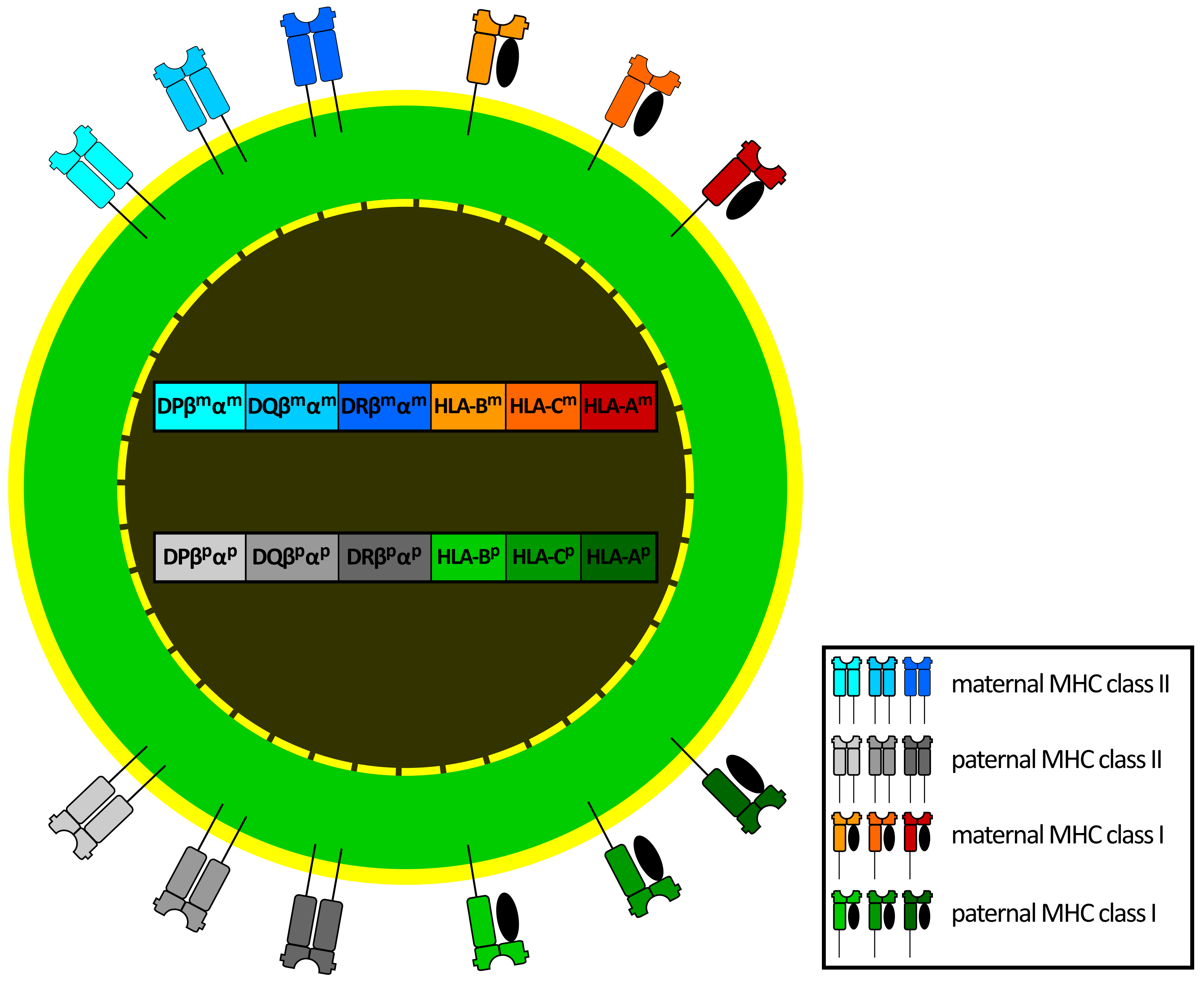
الشكل 1. التعبير المتساوي المستقل لجينات HLA
أجهزة المناعة الحيوية المحورية (MHC) عادة ما يقسمون إلى ثلاثة "فئات". تتم تعبير بروتينات MHC الفئة الأولى على معظم خلايا الجسم وتساعدنا في مكافحة الإصابات الفيروسية. تشمل البروتينات MHC الفئة الأولى تلك التي يتم تشفيرها بواسطة HLA-A، HLA-B و HLA-C. تتم تعبير بروتينات MHC الفئة الثانية على خلايا المناعة مثل خلايا B، خلايا مساعدة منشطة T، الماكروفاجات وخلايا الدندريتيك؛ وتساعد هذه الخلايا في مكافحة الإصابات البكتيرية من خلال إنتاج الأجسام المضادة. تشفير MHC الفئة الثانية يشمل HLA-DR، HLA-DQ و HLA-DP. هناك أيضًا بروتينات MHC الفئة الثالثة التي تدعم خلايا المناعة الخاصة بنا.
البنية الخاصة بكل فئة من البروتينات مختلفة - بينما يحتوي فئة MHC الثانية على سلاسل مزدوجة (سلسلة A وسلسلة B)، فإن فئة MHC الأولى تحتوي على سلسلة واحدة كبيرة مرتبطة بماكروغلوبولين. لذلك، عند تسمية البروتينات الخاصة بفئة MHC الثانية، يتم أحيانًا إضافة مكون إضافي لتحديد السلسلة.
تسمية وتحديد HLA
إن نظام التسمية HLA لعام 2010 هو النظام المستخدم على نطاق واسع حاليًا لتسمية بروتينات MHC وجينات HLA التي تشفرها. يحدد هذا النظام جين HLA، مجموعة الأليل/الألوتيب، البروتين المحدد، وأي استبدالات/طفرات. يتم تحديد كل من It has been found that couples with very different HLA types and differences in their MHC genes tend to have more fulfilling relationships, what we at DNA Romance like to call “romantic chemistry”, also known as genetic compatibility.
What is genetic compatibility?
Genetic compatibility refers to the match between the genes of two individuals, particularly with respect to their potential to have children together. Certain genetic combinations are more compatible and can result in healthier offspring.
One method is to test for genetic compatibility is the presence or absence of certain genetic markers, such as HLA (human leukocyte antigen) markers, which are involved in the immune system.
Individuals with more dissimilar HLA profiles may be more genetically compatible, as this could result in a child with a more diverse immune system.
Another way to evaluate genetic compatibility is through genetic testing for inherited disorders. Couples who are considering having children may choose to undergo genetic testing to determine their risk of passing on certain inherited disorders to their offspring. This can help them make informed decisions about their fertility options and the potential risks and benefits of having children together.
It is important to note that genetic compatibility is not the only factor that determines the health and well-being of a child. Other factors, such as the overall health and lifestyle of the parents, can also have a significant impact on the health of a child.
Let DNA Romance can help you find your genetic matches today!
احصل على تقرير توافق الأزواج
اختبار الشخصية مجانا