مجموعه پیوندی چندگانه پذیرش (MHC)
چگونه انتشارات لوکوسیت های انسانی بر تصمیم گیری همسران تأثیر می گذارد؟
مجموعه های همسازگی اصلی (MHC) به قسمتی روی کروموزوم 6 که شامل صدها نوع ژن است (نمودار 1)، شامل ژن های انسان لوکوئیت انتیگن (HLA) اشاره می شود. MHC برای پروتئین هایی که روی سطح سلول های نوکلئیت شده قرار دارند، از جمله سلول های خونی سفید (بنابراین نام "انتی ژن لوکوئیت انسان") کد می کند. پروتئین های MHC جزئیات خارجی را به سلول های T شما می اندازند. MHC همچنین مسئول همسازی بین بافت ها و انسان ها است، بنابراین نام "همسازی اصلی" است.
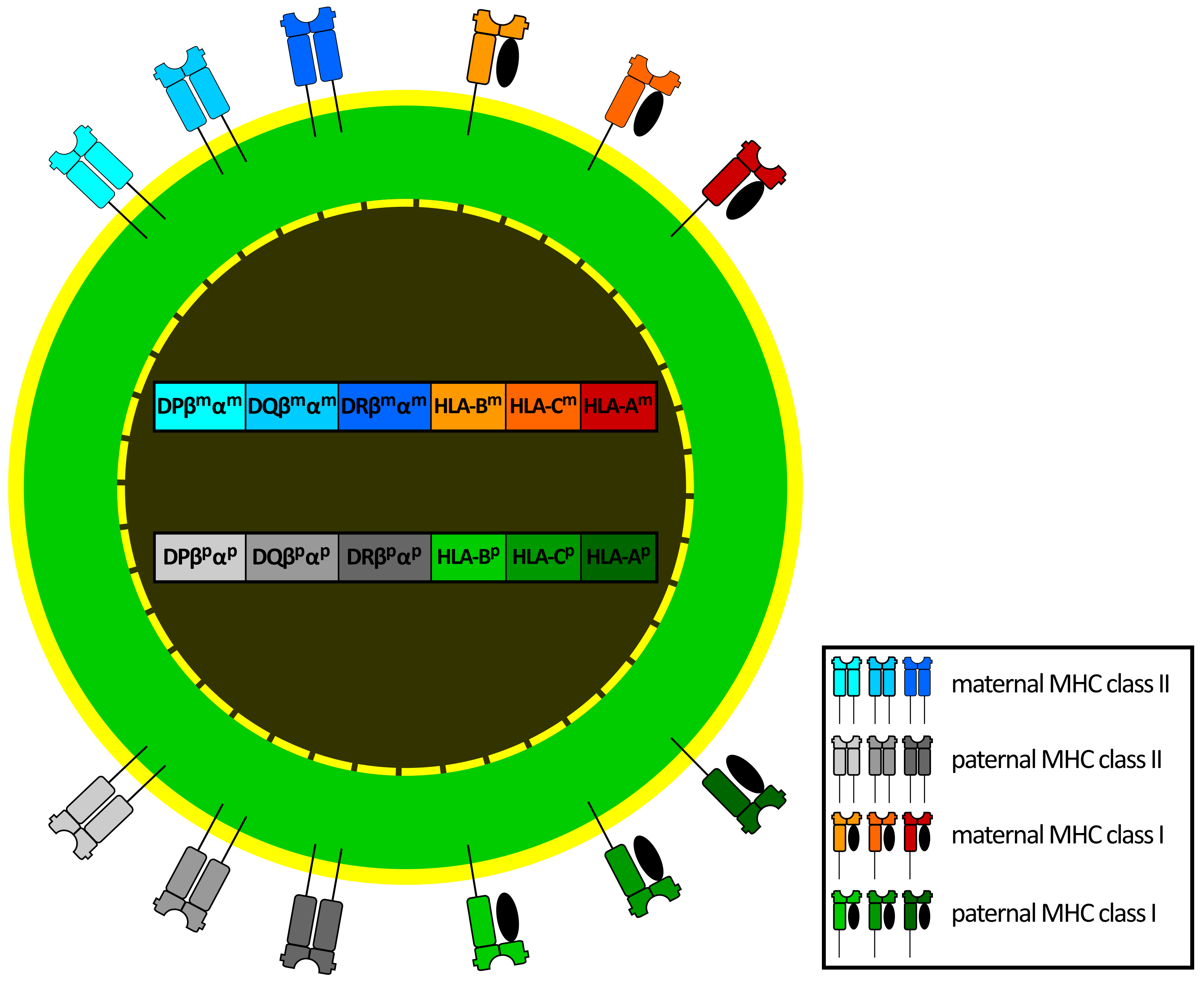
تصویر ۱. نمایش همزمان ژنهای HLA
MHC پروتئینها عموما به سه «کلاس» تقسیم میشوند. پروتئینهای کلاس ۱ MHC بر روی بیشترین سلولهای بدن ما نمایش داده میشوند و به ما کمک میکنند تا عفونتهای ویروسی را پیشگیری کنیم. پروتئینهای کلاس ۱ MHC شامل HLA-A، HLA-B و HLA-C نوشته شده توسط آنها است. پروتئینهای کلاس ۲ MHC بر روی سلولهای ایمنی مانند سلولهای B، سلولهای همکار فعال شده T، ماکروفاجها و سلولهای دندریتیک نمایش داده میشوند؛ این سلولها با ایجاد انتقالات به ما کمک میکنند تا عفونتهای باکتریایی را پیشگیری کنیم. کلاس ۲ MHC HLA-DR، HLA-DQ و HLA-DP را نوشته است. همچنین پروتئینهای کلاس ۳ MHC نیز وجود دارند که سلولهای ایمنی ما را پشتیبانی میکنند.
ساختار هر کلاس از پروتئینها متفاوت است - در حالی که MHC کلاس II دارای دو زنجیره (زنجیره A و B) است، MHC کلاس I فقط دارای یک زنجیره بزرگ است، همراه با یک ماکروگلوبولین. بنابراین، هنگام نام گذاری پروتئینهای MHC کلاس II، اغلب یک مولفه اضافی برای تشخیص زنجیره اضافه میشود.
نامگذاری و نوعبندی HLA
قانون نامگذاری HLA 2010، قانونی است که در حال حاضر به طور گستردهای برای نامگذاری پروتئینهای MHC و ژنهای HLA که آنها را کد میکنند، استفاده میشود. این قانون ژن HLA، گروه آلل/آلوتیپ، پروتئ It has been found that couples with very different HLA types and differences in their MHC genes tend to have more fulfilling relationships, what we at DNA Romance like to call “romantic chemistry”, also known as genetic compatibility.
What is genetic compatibility?
Genetic compatibility refers to the match between the genes of two individuals, particularly with respect to their potential to have children together. Certain genetic combinations are more compatible and can result in healthier offspring.
One method is to test for genetic compatibility is the presence or absence of certain genetic markers, such as HLA (human leukocyte antigen) markers, which are involved in the immune system.
Individuals with more dissimilar HLA profiles may be more genetically compatible, as this could result in a child with a more diverse immune system.
Another way to evaluate genetic compatibility is through genetic testing for inherited disorders. Couples who are considering having children may choose to undergo genetic testing to determine their risk of passing on certain inherited disorders to their offspring. This can help them make informed decisions about their fertility options and the potential risks and benefits of having children together.
It is important to note that genetic compatibility is not the only factor that determines the health and well-being of a child. Other factors, such as the overall health and lifestyle of the parents, can also have a significant impact on the health of a child.
Let DNA Romance can help you find your genetic matches today!
دریافت گزارش هماهنگی زوج
یک آزمون شخصیت رایگان انجام بدهید