هنجاری علمی پشت سر هم سازی رابطه


DNA Romance predicts "Chemistry" online using the DRom 1.0 algorithm. This algorithm assesses 100 specific markers within your DNA, focusing on genes proven to be involved in attraction and reproduction. Studies have shown that people with varied DNA markers in the Major Histocompatibility Complex (MHC) tend to find each other’s scent appealing and often enjoy more durable romantic relationships .

DRom 1.0 فیزیک شیمی و ناسازگاری های نسبی را پیش بینی می کند.
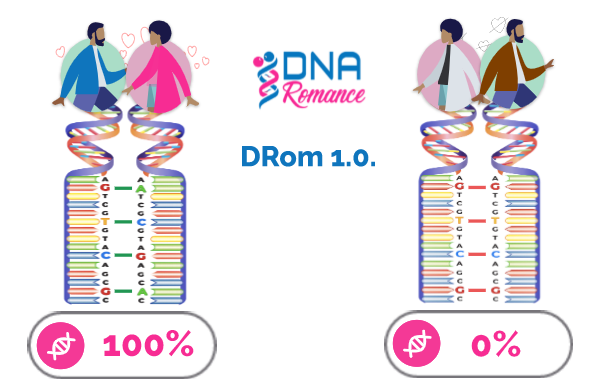
DNA Rmance DRom1.0 Predicts Chemistry


DNA Romance همچنین پیش بینی می کند. توافق شخصیتی از نوع‌های شخصیتی که از آزمون‌های روان‌شناختی کسب شده است، استفاده کرده و کاربران را قادر می‌سازد تحلیل کنند استفاده از فیلترها برای به اشتراک گذاشتن مصالح مشترک و جذب فیزیکی DNA Romance از عکس های مسابقه ای که دارند برای ایجاد تطبیق های مناسب استفاده می کند. second genetic algorithm DRom 2.0 DRom 2.0، با استفاده از مدل هوش مصنوعی تمرین شده با نشانگرهای DNA مرتبط، با دقت بالا پیش بینی ویژگی های فینوتیپیکی انجام می دهد. DRom 2.0 به DNA Romance کمک می کند. مکانیسم تأیید پروفایل این چند لایه ای از بررسی‌ها را نشان می‌دهد که به بهتر نشان دادن واقعیت پروفایل کاربر کمک می‌کند.


امتیاز هماهنگی شخصیت

چگونه نوع‌های هویت مختلف در روابط تعامل می‌کنند

بررسی کنید امتیاز هماهنگی شخصیتی inspired by the renowned Jung/Myers-Briggs 16 personality types. Developed over a century ago by Swiss psychiatrist Dr. Carl Jung and further refined by Isabel Briggs Myers and Katherine Briggs, this psychometric test has stood the test of time. Recognized as the Myers-Briggs Type Indicator®, it's widely used in organizational psychology.
DNA Romance utilizes this personality compatibility algorithm to predict potential connections between both singles and couples. DNA Romance's algorithms strategically assigns higher compatibility scores to similar personality types, and lower scores to those that may conflict.
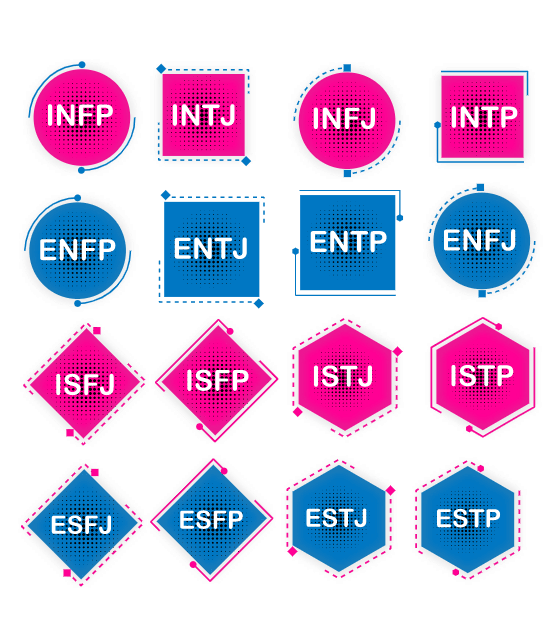
DNA Romance personality compatibility score

مقالات تحقیقات کلیدی

DNA online dating site

انتخاب رابطه بر اساس محیط هنجاری منابع انسانی (MHC) و جذب (یا شیمیایی)

DNA Romance predicts "Chemistry" using DRom 1.0, an algorithm that analyses Single Nucleotide Polymorphisms (SNPs)confirmed to influence relationship choice in several independent studies. Here we present just a few of the research papers we evaluated in order to develop DRom 1.0 .

Jokiniemi A, Turunen T, Kohonen M et al. (2025) Female-mediated selective sperm activation may remodel major histocompatibility complex-based mate choice decisions in humans Heredity 134, 321–330.

*** This study reveals a paradox: women prefer the body odours of MHC-similar men, but sperm from MHC-dissimilar men exhibit higher motility when exposed to female follicular fluid. This suggests that the most attractive males may not necessarily be the most optimal partners in terms of fertilisation success, indicating that post-copulatory selection can remodel pre-mating mate choice decisions.

Havlíček J, Winternitz J, Roberts S (2020) Major histocompatibility complex-associated odour preferences and human mate choice: near and far horizons Philosophical Transactions of the Royal Society B, 375:20190260.

*** A comprehensive meta-analysis examining MHC-based mate choice in humans. The analysis found no significant overall effect of MHC-similarity on human mate selection when combining genomic studies, relationship satisfaction measures, and odour preference experiments. The authors recommend larger, more diverse samples and greater focus on mechanisms of MHC-associated pregnancy loss.

داندین-روولاند سی، لورانت ر، دال-آرا ای، توپانس بی و شایکس آر (۲۰۱۹) اثبات ژنومی برای تطابق ناهمگن MHC در انسان‌ها

This study on major histocompatibility complex (MHC) and mate choice in humans suggests that while couples in Northern Europe tend to exhibit MHC-dissimilarity, potentially indicative of a biological influence on mate choice, social and/or cultural factors in other regions, like Israel, may override or obscure such biologically-driven mating preferences.

Birnbaum GE, Zholtack K, Mizrahi M & Ein-Dor T (2019) حقله تلخ: متوقف کردن مصرف داروهای ضد بارداری باعث افزایش استقبال از همسران جایگزین Evolutionary Psychological Science volume 5, pages 276–285

*** هورمونال بارورهای موجب تغییر ترجیحات زوجین زنان به مردانی که بیشتر تحمل کننده هستند می شود، اما لغو استفاده از آنها ترجیحات آنها را به حالت قبل باز می گرداند، افزایش جذب به مردانی که بیشتر قابلیت ژنتیکی دارند، به ویژه در فازهای فراوانی قدرت پرورشی، که ممکن است موجب انتخاب راه حل های جدید برای پیدا کردن زوج مورد نظر شود.

Wedekind C (2019) A predicted interaction between odour pleasantness and intensity provides evidence for major histocompatibility complex social signalling in women Proc. R. Soc. B 285:20172714.

*** این مقاله به بررسی ارتباط مجموعه های قابل تحمل بزرگ (MHC) و ترجیحات بوی در انسان پرداخته است، بحث نتایج قبلی و تجزیه و تحلیل چگونگی ناشی از رایش شانه ها و عوامل دیگر بر بینش بوی بدن و ارتباط آن با MHC، با بازنگری مجدد داده های گذشته ای که نشان می دهد که خوشبویی و نوسانات بوی می تواند با ناهمسانی MHC در ارتباطات اجتماعی از طریق بوی تاثیر گذار باشد، اشاره می کند که بین MHC، بینش بوی و ارتباطات اجتماعی وجود دارد.

Wu K, Chen C, Moyzis RK, Nuno M, Yu Z and Greenberger E (2018) More than skin deep: Major histocompatibility complex (MHC)-based attraction among Asian American speed-daters Evolution and Human Behavior. 39(4):447-456.

*** در یک زمینه از سریع دوستی، زنان، اما نه مردان، نشانه‌هایی برای همسران بر اساس مختلف تطبیق پیوستگی های پیشرفته ترین هسته های هنجاری (MHC) با استفاده از تجزیه و تحلیل SNP نشان دادند، با اینکه مختلف SNP ها بر اساس نزدیکی به ژن های HLA اصلی جهت اثرگذاری بر جذب نشان دادند، و نمایه های مبتنی بر MHC برای پیش بینی پیشنهاد تاریخ دوم برای هر دو جنسیت تاثیر مشابه به ویژگی های خود گزارش شده داشتند.

Henningsson S, Hovey D, Vass K, Walum H, Sandnabba K, Santtila P, Jern P, Westberg L (2017) A missense polymorphism in the putative pheromone receptor gene VN1R1 is associated with sociosexual behavior Transl Psychiatry. 7(4):e1102.

*** یافته های این مطالعه نشان می دهد که بین یک پلی مورفیسم در ژن VN1R1، مرتبط با رسیور نوع یک ومروناسال انسانی (جزءی از سیستمی که تاثیرات فرومون ها را مدیریت می کند) و رفتار سوئیسوئال در زنان وجود دارد، به ویژه در مورد یک شب یکجا، که نشان می دهد که کیموسایگنالینگ ممکن است در مدیریت تعاملات اجتماعی انسانی کاربرد داشته باشد.

Burger D، Meuwly C، Marti E، Sieme H، Oberthür M، Janda J، Meinecke-Tillmann S و Wedekind C.(2017) اولویت‌های مرتبط با MHC در خروس‌های دیستروز زن (Equus caballus).

این مطالعه تأثیر ژن‌های مجموعه اصلی سازگاری بافتی (MHC) و سطح تستوسترون را بر ترجیحات جفت‌گیری مادیان‌ها بررسی کرد و دریافت که مادیان‌ها در دوره دی‌استروس خود (دوره غیر تولیدمثل) علاقه بیشتری به مادیان‌های غیر MHC نشان می‌دهند، اما سایر ویژگی‌های مردانه غیر مرتبط با MHC، مانند ویژگی‌های فیزیکی یا نشانه‌های رفتاری، ممکن است بر تأثیرات MHC در دوره استروس (تولیدمثل) غلبه کنند، به طوری که زمینه و مرحله چرخه در انتخاب جفت نقش کلیدی دارند.

Sherlock JM, Sidari MJ, Harris EA, Barlow FK, Zietsch BP (2016) Testing the mate-choice hypothesis of the female orgasm: disentangling traits and behaviours Socioaffect Neurosci Psychol. 6:31562.

*** این مطالعه نشان می دهد که زنان با همسران مختلف تجربه ای با فراوانی های مختلف از آغاز های عشقی دارند، با این حال، آنهایی که باعث افزایش فراوانی آغاز های عشقی شده اند، به عنوان بیشتر خنده دار، خلاق، گرم، وفادار و بهتر بوی دار، همچنین بیشتر به رضایت جنسی همسرشان توجه می کنند، که به حدی حمایت از فرض نظارت بر انتخاب همسر برای آغاز های عشقی زن می کند که آن را به عنوان یک مکانیسم ممکن برای انتخاب همسران با کیفیت بالا مشخص می کند.

Kromer J, Hummel T, Pietrowski D, Giani AS, Sauter J, Ehninger G, Schmidt AH, Croy I (2016) Influence of HLA on human partnership and sexual satisfaction Sci Rep. 6:32550.

*** بررسی نشان می دهد که در انسان، ناهمسانی HLA (یک جزء ژنتیکی سیستم ایمنی) می تواند بر انتخاب همسر و رضایت جنسی تاثیر گذار باشد، به طور محتمل از طریق تشخیص سیگنال های بویایی مرتبط با سازگاری ژنتیکی، مانند مکانیسم های مشاهده شده در حیوانات دیگر، که تنوع ژنتیکی و قدرت مقاومت در نوزادان را ترویج می کند.

Wlodarski R. and Dunbar RIM. (2015) What's in a Kiss? The Effect of Romantic Kissing on Mate Desirability Evol Psychol. 12(1): 178–199.

*** این مطالعه نشان داد که تصور توانایی بوسیدن روانشناختی اثرگذاری بر روی ارزیابی های نسبت به نزدیکان دارد، افزایش دلبستگی خاصاً برای زنان در محیط های جنسی راحت، و در حالی که علامت های بصری می توانند تاثیر اطلاعات مربوط به بوسیدن را در برخی از مواقع جنسی باطل کنند، نشان داده شد که تاثیر اطلاعات زیبای بصری برای مردان بیشتر از زنان است، که به این معنی است که بوسیدن در انتقال کیفیت و دلبستگی نزدیکان به عنوان یکی از علامت های چند بعدی اثرگذار است.

Burger D، Dolivo G، Marti E، Sieme H و Wedekind C.(2015)‏ نوع مجتمع های بزرگ نسبتی جنسی زن تأثیر می گذارد بر سطوح تستوسترون و تعداد مخمصه ها در اسب (Equus caballus)

این مطالعه بررسی می کند چگونه مجموعه های قابل تشخیص بزرگ (MHC) بر اساس راهبردهای تولید مخصوص مردان در اسب ها تأثیر می گذارد. نتایج نشان داد که وقتی استالیون ها به دخترانی با نوع های MHC ناهماهنگ در میان بودند، سطوح هورمون تستوسترون بیشتری داشتند و تعداد بیشتری از سرم در هر اجرایی تولید کردند با مقایسه با وقتی که به دخترانی با نوع های MHC مشابه در میان بودند، که نشان می دهد که نشانه های مرتبط با MHC می توانند تاثیر بر تولید هورمون تستوسترون مردان و ویژگی های سرم داشته باشند، که به نتیجه می رسد که راهبردهای تولید تأثیر می گذارند.

Christakis NA and Fowler JH (2014) دوستی و انتخاب طبیعی PNAS. 11:10796–10801.

*** این مطالعه نشان می دهد که انسان ها علاوه بر اینکه با افرادی که نوع ژنتیکی مشابه به میزان همسران دوم راشته اند، دوستی هم برقرار می کنند، در تمام ژنوم به طوری که برخی از ژنوتیپ ها به طور مثبت (هوموفیلیک) و برخی دیگر به طور منفی (هتروفیلیک) بین دوستان مرتبط هستند، با مجموعه های خاصی از ژن های مرتبط با سیستم بویایی و ایمنی در تشکیل دوستی کمک می کنند، که نشان می دهد که دوستان ممکن است به عنوان "رابطه فعال" عمل کنند و نشان می دهد که ژنوتیپ های هوموفیلیک ممکن است امتیازات فیتنسی همجوشی را که در این بین تاثیر گذاشته است برای انسان های اخیر توسعه داده است، به ارمغان آورد.

Laurent R and Chaix R (2012) MHC-dependent mate choice in humans: Why genomic patterns from the HapMap European American dataset support the hypothesis BioEssays. 34(4):267-71.

*** This study supports the hypothesis that humans tend to choose mates with different MHC (Major Histocompatibility Complex) genes than their own, which may promote genetic diversity and immune system strength in offspring.

Lie HC, Simmons LH and Rhodes G (2010) Genetic dissimilarity, genetic diversity, and mate preferences in humans Evolution and Human Behavior 31:8–58.

*** این مطالعه تأثیر عوامل ژنتیکی، به‌ویژه کمپلکس اصلی سازگاری بافتی (MHC)، بر ترجیحات جفت‌گزینی در انسان‌ها را بررسی می‌کند و کشف می‌کند که مردان تمایل دارند در هر دو زمینه جفت‌گزینی کوتاه‌مدت و بلندمدت، زنان با MHC متفاوت را ترجیح دهند، در حالی که تنوع ژنتیکی بر ترجیحات شریک‌های مرد و زن در زمینه‌های مختلف جفت‌گزینی تأثیر می‌گذارد و بدین ترتیب نقش مهمی برای MHC در انتخاب جفت انسانی حمایت می‌کند و پیشنهاد می‌کند که این ترجیحات ممکن است به افزایش تنوع ژنتیکی در نسل‌ها کمک کند.

Lie HC, Rhodes G and Simmons LH (2010) Is genetic diversity associated with mating success in humans? Animal Behaviour. 79, 4:903-909

*** این مطالعه نشان می‌دهد که در انسان‌ها، به‌ویژه در زنان، تنوع ژنتیکی، به‌ویژه در داخل مجموعه اصلی سازگاری بافتی (MHC)، با موفقیت بیشتر در جفت‌یابی، که با تعداد شرکای جنسی اندازه‌گیری می‌شود، مرتبط است و این مفهوم را تأیید می‌کند که عوامل ژنتیکی، که ممکن است به عملکرد سیستم ایمنی مربوط باشند، در موفقیت جفت‌یابی انسان‌ها نقش دارند، در حالی که هیچ ارتباط معناداری در مردان یافت نشد.

Chaix R, Cao C, and Donnelly P (2008) Is Mate Choice in Humans MHC-Dependent? PLOS Genetics, 4 (9)

*** مطالعه نشان می‌دهد که در حالی که جمعیت‌های آمریکایی اروپایی ممکن است همسرانی با MHC غیر مشابه را ترجیح دهند و به تنوع در سیستم ایمنی فرزندان خود اهمیت دهند، چنین الگویی در جمعیت‌های آفریقایی مورد بررسی مشاهده نمی‌شود، که نشان می‌دهد تأثیر MHC بر انتخاب همسر می‌تواند وابسته به زمینه باشد و احتمالاً تحت تأثیر عوامل مختلف شکل بگیرد.

Schwensow N, Fietz J, Dausmann K, Sommer S (2008) MHC-associated mating strategies and the importance of overall genetic diversity in an obligate pair-living primate Evol Ecol. (22) 617-636

*** این مطالعه انتخاب شریک را در لمور دُم‌چاق کوتوله بررسی می‌کند و می‌یابد که ماده‌ها ترجیح می‌دهند نرهایی با تنوع ژنتیکی MHC بیشتر و همپوشانی MHC کمتری را به عنوان پدران اجتماعی و ژنتیکی انتخاب کنند، در حالی که تنوع ژنتیکی کلی و نسبت خویشاوندی تأثیر قابل توجهی بر انتخاب شریک ندارند؛ جفت‌گیری‌های خارج از جفت ممکن است برای کاهش ناسازگاری ژنتیکی رخ دهد و این موضوع تعامل پیچیده‌ای از فرضیه‌های "ژن‌های خوب به عنوان هتروزیگوسیتی" و "جفت‌گیری غیرهمسان" را در استراتژی‌های جفت‌گیری پرایمات‌ها برجسته می‌کند.

Wedekind C (2007) The Major Histocompatibility Complex and Perfumers' Descriptions of Human Body Odors Evolutionary Psychology.5(2): 330-343

*** این آزمایش ارتباطی بین مجموعه اصلی سازگاری بافتی (MHC) و توصیف‌های کلامی بوی بدن انسان‌ها را نشان می‌دهد و نشان می‌دهد که عطرسازان حرفه‌ای می‌توانند تا حدی اجزای بوی بدن مرتبط با MHC را بیان کنند و تأثیر MHC بر ادراک بویایی انسان و احتمالاً انتخاب شریک را تأکید می‌کند، با توجه به نقش حیاتی MHC در عملکرد سیستم ایمنی و تأثیر قبلاً noted بر بوی بدن و انتخاب شریک.

Garver-Apgar CE, Gangestad SW, Thornill R, Miller RD and Olp JJ (2006) Major histocompatibility complex alleles, sexual responsivity, and unfaithfulness in romantic couples Psychol Sci, 17(10): 830-835.

*** In the context of romantic couples, the study finds that as the proportion of shared Major Histocompatibility Complex (MHC) alleles increases, women's sexual responsivity to their partners decreases, while their number of extra-pair sexual partners and attraction to men other than their primary partners, especially during their fertile phase, increases, suggesting that MHC-dissimilarity might play a role in sexual attraction and partner selection, potentially driven by underlying genetic and reproductive strategies to enhance offspring immunocompetence by maintaining genetic diversity.

Roberts CE, Gosling LM, Carter V and Petrie M (2006) MHC-correlated odour preferences in humans and the use of oral contraceptives Proc. R. Soc. B 275, 2715–2722

*** This study investigates how oral contraceptives influence women's preferences for certain male odours, which are known to be influenced by genes in the Major Histocompatibility Complex (MHC). Previous research has indicated that female preference for MHC-dissimilar male odour may function to increase offspring heterozygosity or minimize inbreeding. Interestingly, it has also been suggested that women using oral contraceptives tend to prefer the scent of MHC-similar males, which runs contrary to this logic. The study utilized a longitudinal design to test women before and after initiating contraceptive pill use, comparing their preferences to a control group of non-pill users. While the study didn't find a significant difference in ratings between odours of MHC-dissimilar and MHC-similar men during the follicular cycle phase in general, it did unearth that single women tended to prefer the odour of MHC-similar men, whereas women in relationships leaned towards the odour of MHC-dissimilar men. This latter finding aligns.

Wedekind C (2006) The Intensity of Human Body Odors and the MHC: Should We Expect A Link? Evolutionary Psychology. 4:85-94

*** این تحقیق روابط بین چند ژن MHC (مجموعه اصلی سازگاری بافتی) و شدت و خوشایندی بوی بدن مردان را شناسایی می‌کند و کشف می‌کند که مردانی که حداقل یک آنتی‌ژن MHC هموزیگوت دارند، بوی قابل توجه‌تری نسبت به هتروزیگوت‌ها منتشر نمی‌کنند، اما بوی آنها توسط زنانی با MHC متفاوت به‌طور قابل توجهی قوی‌تر درک می‌شود.

Pause BM, Krauel K, Schrader C, Sojka B, Westphal E, Müller-Ruchholtz W, and Ferstl R. (2006) The human brain is a detector of chemosensorily transmitted HLA-class I-similarity in same- and opposite-sex relations Proc. R. Soc. B (2006) 273, 471–478 doi:10.1098/rspb.2005.3342

*** This study reveals that humans subconsciously detect and respond to body odors from individuals with similar HLA (Human Leucocyte Antigen) genetic markers, which might play a critical role in social interactions and mate selection by acting as subtle social signals within both same-sex and opposite-sex relationships.

Martins Y, Preti G, Crabtree CR, Runyan T, Vainius AA and Wysocki CJ (2005) Preference for Human Body Odors Is Influenced by Gender and Sexual Orientation Psychological Science, 16(9) 694-702

*** این مطالعه نشان می‌دهد که گرایش جنسی و جنسیت بر ترجیحات افراد برای بوی بدن انسان تأثیر می‌گذارد، به طوری که مردان و زنان همجنس‌گرا و دگرجنس‌گرا ترجیحات دوگانه متمایزی را هنگام مواجهه با بوی بدن افرادی از ترکیب‌های مختلف جنسیت و گرایش جنسی نشان می‌دهند، که به این معناست که بوی بدن می‌تواند عاملی در انتخاب شریک جنسی و اجتماعی باشد.

Horton R, Wilming L, Rand V, Lovering RC, Bruford EA, Khodiyar VK, Lush MJ, Povey S, Talbot CC Jr, Wright MW, Wain HM, Trowsdale J, Ziegler A, Beck S (2004) Gene map of the extended human MHC. Nat Rev Genet 5(12):889-899

*** This study characterises an integrated gene map of the extended human MHC, a pivotal region in the vertebrate genome for infection and autoimmunity due to its essential role in both adaptive and innate immunity, highlighting its significant content related to paralogy, polymorphism, immune functionality, and its association with various diseases, providing a comprehensive view stemming from the assimilation of data from several large-scale studies.

Jacob S, McClitock MK, Zelano B and Ober C (2002) Paternally inherited HLA alleles are associated with woman's choice of male odour Nature Genetics, 30:175

*** This study demonstrates that women can discern differences in male body odor influenced by a single variance in HLA (human MHC) allele, with a woman's capacity to distinguish and prefer certain odors notably being based on HLA alleles inherited from her father and not her mother; this suggests that paternally inherited HLA-associated odors influence odor preference and might function as social cues, even despite a milieu of potential odors derived from a variety of genetic and cultural factors.

Milinski M and Wedekind C (2001) Evidence for MHC-correlated perfume preference in humans Behavioural Ecology 12(2):140-149

*** این مطالعه رابطه بین ژنوتیپ‌های کمپلکس اصلی سازگاری بافت (MHC) و ترجیحات عطر در انسان‌ها را بررسی می‌کند. آن‌ها یک همبستگی قابل توجه بین MHC یک فرد (به‌ویژه HLA-A، -B، -DR) و ارزیابی‌های او از رایحه‌های مختلف برای استفاده شخصی کشف کردند، به‌طوری‌که برخی از انواع HLA (به‌عنوان مثال، HLA-A2) ترجیحات رایحه‌ای ثابتی را نشان می‌دهند. با این حال، وقتی به ترجیحات برای رایحه شریک زندگی می‌رسید، همبستگی عمدتاً بی‌اهمیت بود، که با فرضیه‌ای هم‌راستا است که افراد عطرها را برای استفاده شخصی انتخاب می‌کنند تا احتمالاً بوی بدن خود را که ممکن است به جنبه‌های ایمنی‌ژنتیکی آن‌ها مربوط باشد، تقویت یا تشدید کنند، نه اینکه بخواهند رایحه‌های شریک‌های خود را تغییر دهند.

Wedekind C, Seebeck T, Bettens F And Paepke AJ (1995) MHC-dependent mate preferences in humans. Proc.R.Soc.Lond.B. 260:245-249.

*** این مطالعه نشان داد که افراد تمایل دارند بوی بدن همسران بالقوه‌ای را که ژن‌های سیستم ایمنی متفاوتی با خود دارند، ترجیح دهند، اما این ترجیح برای زنان تحت کنترل زایمان تغییر می‌کند.

Genetic online dating site

How similarities or differences in MHC alleles can influence family planning

MHC similarity between couples is known to cause issues with family planning, here are some of the peer-reviewed papers describing the role of MHC similarity and human reproduction .

* demonstrated increased rates of recurrent spontaneous abortion among Hutterite couples matching for HLA-DQA1 alleles

Ober., Steck., Ven., Billstrand., Messer., Kwak., Beaman., Beer (1993) MHC class II compatibility in aborted fetuses and term infants of couples with recurrent spontaneous abortion Journal of Reproductive Immunology, Volume 25, Issue 3, December 1993, Pages 195-207

* results of a 10 year study that demonstrated increased fetal loss rates among Hutterite couples matching for HLA antigens.

Ober C, Hyslop T, Elias S, Weitkamp LR, Hauck WW (1998) Human leukocyte antigen matching and fetal loss: results of a 10 year prospective study Human Reproduction, Volume 13, Issue 1, Jan 1998, Pages 33–38

* describe the relationship between HLA similarity at individual alleles, as well as HLA haplotypes as indicators for increased risk of fetal loss among Hutterite couples.

Ober C (1999) Studies of HLA, fertility and mate choice in a human isolate Hum Reprod Update 5(2):103-107.

* identified differential association of alleles in HLA-A, HLA-B, HLA-C, and HLA-DRB1 when compared with reported world RSA patients.

Shankarkumar U, Pawar A, Gaonkar P, Parasannavar D, Salvi V, and Ghosh K (2008) HLA allele associations in idiopathic recurrent spontaneous abortion patients from India J Hum Reprod Sci. 2008 Jan;1(1):19-24.

* found an increased frequency of homozygosity for HLA-E*0101 in Egyptian women with RM

Mosaad YM, Abdel-Dayem Y, El-Deek BS and El-Sherbini SM (2011) Association between HLA-E *0101 homozygosity and recurrent miscarriage in Egyptian women Scand J Immunol. 2011 Aug;74(2):205-9.

* performed a meta-analyses of 41 studies and showed that HLA-B sharing and HLA-DR sharing were both associated with the occurrence of RM.

Meuleman T, Lashley LE, Dekkers OM, van Lith J, Claas FH and Bloemenkamp KW (2015) HLA associations and HLA sharing in recurrent miscarriage: A systematic review and meta-analysis Hum Immunol. May;76(5):362-73.

* proposed a genetic-risk calculation that could predict recurrent miscarriage (RM) based on analysing HLA haplotypes from couples either with histories of successful pregnancies or RM.

Mora-Sánchez A, Aguilar-Salvador D, Nowak I (2019) Towards a gamete matching platform: using immunogenetics and artificial intelligence to predict recurrent miscarriage NPJ Digit Med Mar 7;2:12.

* found that sperm viability was associated with partners' HLA dissimilarity, indicating that cervical mucus may selectively facilitate later gamete fusion between immunogenetically compatible partners.

Jokiniemi A, Magris M, Ritari J, Kuusipalo L, Lundgren T, Partanen J and Kekäläinen J (2020) Post-copulatory genetic matchmaking: HLA-dependent effects of cervical mucus on human sperm function Proc Biol Sci., doi: 10.1098/rspb.2020.1682.

* demonstrated that HLA eplet dissimilarity positively affects sperm viability in follicular fluid, providing evidence that cryptic female choice operates at the gamete level to favour immunologically compatible partners.

Magris M, Jokiniemi A, Kuusipalo L, Ritari J, Koskela S, Partanen J and Kekäläinen J (2021) Structural dissimilarity of partners' immune genes increases sperm viability in women's reproductive tract Journal of Evolutionary Biology, 34(7):1125-1134.

* demonstrated that soluble HLA-G secreted by embryos into IVF culture medium correlates with implantation success and pregnancy rates, confirming the importance of HLA molecules in early pregnancy.

Lédée N, Petitbarat M, Chevrier L, et al. (2022) The impact of soluble HLA-G in IVF/ICSI embryo culture medium on implantation success Front Immunol. 13:982518.

* found that over 70% of couples with recurrent miscarriages or IVF failures showed high HLA-DQA1 allele similarity, supporting the role of HLA compatibility in reproductive outcomes.

Pafilis I, Michou V, Tsilivakos V, et al. (2023) Human Leukocyte Antigen Alleles Compatibility and Immunophenotypic Profile Associations in Infertile Couples Int J Mol Sci. 24(6):5350.

* found that primary infertile couples (N=609) share more HLA alleles than expected by chance, suggesting HLA similarity may contribute to unexplained infertility and IVF failure.

Kolańska K, Grześ S, Łukaszuk K, et al. (2025) Primary infertile couples share more HLA alleles than expected by chance European Journal of Obstetrics & Gynecology and Reproductive Biology.

MHC research across vertebrate species

MHC in Other Vertebrates: A Conserved Phenomenon

MHC-based mate choice is not unique to humans—it is an evolutionarily conserved mechanism found across all vertebrate species studied. Research in fish, birds, rodents, primates, and horses demonstrates that MHC genes influence partner selection, reproductive success, and offspring fitness throughout the animal kingdom. This conservation across 450 million years of vertebrate evolution underscores the fundamental biological importance of MHC compatibility in reproduction.

* Landmark study demonstrating that house mice prefer mates with dissimilar MHC genotypes. Mice detect MHC differences through urine odor cues, and MHC-disassortative mating preferences result in a 27% deficit of MHC homozygous offspring in wild populations.

Penn DJ and Potts WK (1999) The evolution of mating preferences and major histocompatibility complex genes The American Naturalist, 153(2):145-164.

* Demonstrated that female three-spined sticklebacks (Gasterosteus aculeatus) use odor-based MHC detection to select mates that will produce offspring with optimal MHC diversity, equipping them with maximal resistance to pathogens and parasites.

Milinski M, Griffiths S, Wegner KM, Reusch TBH, Haas-Assenbaum A, Boehm T (2005) Mate choice decisions of stickleback females predictably modified by MHC peptide ligands PNAS, 102(12):4414-4418.

* Found that both male and female sticklebacks with intermediate MHC class IIB diversity had the highest lifetime reproductive success, demonstrating that optimal (not maximal) MHC diversity maximizes fitness.

Kalbe M, Eizaguirre C, Dankert I, Reusch TBH, Sommerfeld RD, Wegner KM, Milinski M (2009) Lifetime reproductive success is maximized with optimal major histocompatibility complex diversity Proceedings of the Royal Society B, 276(1658):925-934.

* In the grey partridge, females preferentially paired with males having more dissimilar MHC, with lower numbers of shared amino acid variants. This supports the 'inbreeding avoidance' and 'complementary genes' hypotheses in a strictly monogamous bird species.

Løvlie H, Gillingham MAF, Worley K, Pizzari T, Richardson DS (2017) Mate choice for major histocompatibility complex complementarity in a strictly monogamous bird, the grey partridge (Perdix perdix) Frontiers in Zoology, 14:9.

* Wild-spawning Atlantic salmon that chose their own mates produced offspring with 4× lower parasite loads than artificially crossed salmon, despite similar MHC diversity—demonstrating that MHC-mediated mate choice directly increases offspring fitness.

Consuegra S, de Leaniz CG (2008) MHC-mediated mate choice increases parasite resistance in salmon Proceedings of the Royal Society B, 275(1641):1397-1403.

* Discovered that MHC peptides trigger olfactory imprinting in zebrafish during a critical developmental period, creating persistent kin recognition preferences—demonstrating a fundamental mechanism by which vertebrates learn to recognize MHC-similar individuals.

Gerlach G, Hodgins-Davis A, Avolio C, Schunter C (2013) Olfactory imprinting is triggered by MHC peptide ligands Scientific Reports, 3:2800.

* Found non-random mating based on MHC in Chinook salmon—females directed more aggression toward MHC-similar males than MHC-dissimilar males, providing behavioral evidence for active mate discrimination based on immune genes.

Neff BD, Garner SR, Heath JW, Heath DD (2008) The MHC and non-random mating in a captive population of Chinook salmon Heredity, 101:175-185.

* In a study of 191 mares, females were significantly more likely to become pregnant when exposed to MHC-dissimilar stallions (p=0.019), demonstrating "cryptic female choice" influenced by MHC social signalling in horses.

Burger D, Meuwly C, Marti E, Sieme H, Oberthür M, Janda J, Meinecke-Tillmann S, Wedekind C (2017) MHC-linked social signalling affects female fertility in horses Proceedings of the Royal Society B, 284:20161998.

* Found that stallions exposed to MHC-dissimilar mares exhibited 19.2%% higher testosterone levels and produced more sperm per ejaculate, demonstrating that MHC-linked signals directly affect male reproductive strategies.

Burger D, Dolivo G, Marti E, Sieme H, Wedekind C (2015) نوع مجتمع های بزرگ نسبتی جنسی زن تأثیر می گذارد بر سطوح تستوسترون و تعداد مخمصه ها در اسب (Equus caballus) Proceedings of the Royal Society B, 282:20150407.

* Meta-analysis of 58 effect sizes from 30 studies across seven primate species found a significant trend favouring MHC-diverse mates. The analysis confirms MHC-based mate preferences operate across the primate lineage.

Winternitz J, Abbate JL, Huchard E, Havlíček J, Garamszegi LZ (2017) Patterns of MHC-dependent mate selection in humans and nonhuman primates: a meta-analysis Molecular Ecology, 26(2):668-688.

* In wild grey mouse lemurs from Madagascar, found evidence for post-copulatory mate choice associated with MHC constitution—fathers had higher numbers of MHC supertypes different from mothers than randomly assigned males.

Schwensow N, Eberle M, Sommer S (2008) Compatibility counts: MHC-associated mate choice in a wild promiscuous primate Proceedings of the Royal Society B, 275(1634):555-564.

* Building on Burger's work, found that stallion semen quality depends on MHC matching to teaser mares—semen collected in the presence of MHC-dissimilar mares had higher sperm concentration and better motility.

Jeannerat E, Marti E, Berney C, Janett F, Bollwein H, Sieme H, Burger D, Wedekind C (2018) Stallion semen quality depends on major histocompatibility complex matching to teaser mare Molecular Ecology, 27(4):1025-1035.

* First evidence for MHC-based mate choice in reptiles: female Chinese alligators preferentially mate with MHC-heterozygous males that are genetically compatible, extending MHC mate choice to crocodilians.

Wang H, Shen FJ, Min MS, Wu XB, Yue BS, Yan P (2018) MHC class I diversity predicts non-random mating in Chinese alligators (Alligator sinensis) Heredity, 122:809-818.

* Found evidence for MHC-disassortative mating in the tuatara, a "living fossil" reptile—demonstrating that MHC-based mate choice has been conserved since the Triassic period (>200 million years ago).

Miller HC, Moore JA, Nelson NJ, Daugherty CH (2009) Influence of major histocompatibility complex genotype on mating success in a free-ranging reptile population Proceedings of the Royal Society B, 276(1662):1695-1704.

* In Seychelles warblers, when females' social mates were MHC-similar, they were more likely to engage in extra-pair copulations, with extra-pair males being significantly more MHC-dissimilar than social mates.

Richardson DS, Komdeur J, Burke T, von Schantz T (2005) MHC-based patterns of social and extra-pair mate choice in the Seychelles warbler Proceedings of the Royal Society B, 272(1564):759-767.

* Demonstrated that MHC-based mate choice in sticklebacks can drive ecological speciation, showing that immunogenes not only influence individual fitness but can shape evolutionary divergence between populations.

Eizaguirre C, Lenz TL, Kalbe M, Milinski M (2018) Mate choice in sticklebacks reveals that immunogenes can drive ecological speciation Behavioral Ecology, 28(4):953-961.

* Found in ring-necked pheasants that male spur length (a sexually selected ornament) was correlated with MHC genotype, demonstrating that sexual ornaments can signal genetic quality at immune genes.

von Schantz T, Wittzell H, Goransson G, Grahn M, Persson K (1996) MHC genotype and male ornamentation: genetic evidence for the Hamilton-Zuk model Proceedings of the Royal Society B, 263(1368):265-271.

* Quantitative review of MHC-based mating preferences across 50+ vertebrate species found significant effects for both MHC diversity and dissimilarity preferences, confirming MHC-mediated mate choice as a widespread vertebrate phenomenon.

Kamiya T, O'Dwyer K, Westerdahl H, Senior A, Nakagawa S (2014) A quantitative review of MHC-based mating preference: the role of diversity and dissimilarity Molecular Ecology, 23(21):5151-5163.

* Demonstrated MHC-based mate choice in sand lizards—females preferred MHC-dissimilar males, showing that reptiles can recognize both their own genotype and that of potential partners through scent cues.

Olsson M, Madsen T, Nordby J, Wapstra E, Ujvari B, Wittsell H (2003) Major histocompatibility complex and mate choice in sand lizards Proceedings of the Royal Society B, 270(Suppl 2):S254-S256.

* Found that frog tadpoles use MHC-based self-referent cues to preferentially associate with MHC-similar kin—demonstrating that MHC recognition operates in amphibians from early developmental stages.

Villinger J, Waldman B (2008) Self-referent MHC type matching in frog tadpoles Proceedings of the Royal Society B, 275(1640):1225-1230.

* Found that MHC-divergent male tiger salamanders had reduced mating success compared to males with intermediate MHC divergence—supporting the optimal MHC diversity hypothesis in amphibians.

Bos DH, Williams RN, Gopurenko D, Bulut Z, DeWoody JA (2009) Condition-dependent mate choice and a reproductive disadvantage for MHC-divergent male tiger salamanders Molecular Ecology, 18(15):3307-3315.

* Comprehensive review of MHC odor signaling mechanisms across vertebrates—synthesizes decades of research on how fish, mice, horses, and humans detect MHC differences through olfactory cues.

Milinski M (2022) A Review of Suggested Mechanisms of MHC Odor Signaling Biology, 11(8):1187.

Personality compatibility research

نوع‌های شخصیت

Our personality compatibility rating is based on the Myers-Briggs 16 personality types. This test has a long history with the development of the first 3 components dating back almost 100 years to Dr. Carl Jung and today the 4 letters and 16 personality type groups are widely known to the majority of people. DNA Romance's personality compatibility algorithm, called PC1, puts maximum weight on similar personality types and less weight towards personality types that tend to clash.

Lok C (2012) Career development: What's your type? Nature, 488: 545-547

* The article highlights the utilization of the Myers-Briggs Type Indicator and similar personality tests in assisting scientists to enhance their soft skills and navigate their careers by providing insights into their personality traits, which can inform their communication, leadership, and teamwork strategies within professional environments.

Keirsey, D (2006) Please Understand Me II (3rd ed) Promethius Nemesis Book Co., Del Mar, CA.

«لطفاً من شما را فهم کنید» یک کتاب روانشناسی است که توسط دیوید کیرسی و مریلین بیتس تالیف شده است، که از یک پرسشنامه خودآزمایی، سورتر تنوع های شخصیتی کیرسی، استفاده می کند تا افراد را در یکی از ششده شخصیت و چهار نوع تنوع بزرگتر (هنرمند، نگهبان، راستگو و ایده پرست) طبقه بندی کند، و به خوانندگان اندیشه هایی در مورد رفتارهایشان و ارزش های اساسیشان را فراهم می کند، همچنین از نظرات روانشناسی قبلی و شاخص های نوع، به ویژه مایرز-بریگز نوع شناسی، استفاده می کند و آنها را ساده می کند.

Myers IB, McCaulley MH, Quenk NL and Hammer AL (1998) MBTI manual: A guide to the development and use of the Myers-Briggs Type Indicator Consulting Psychologists Press, Palo Alto, CA, Vol. 3.

MBTI® Manual، نسخه سوم، به عنوان یک راهنمای کامل، توسعه، استفاده و تفسیر ابزار Myers-Briggs Type Indicator® را شرح می دهد، اطلاعات عمیقی در مورد نظریه، قابلیت اطمینان و اعتبار ابزار را فراهم می کند و به درک عمیقی از 16 نوع شخصیتی که آن شناسایی می کند، کمک می کند، همه این ها توسط توسعه دهندگان متخصص در نوع روانشناختی، Isabel Briggs Myers، Mary H. McCaulley، Naomi L. Quenk و Allen L. Hammer، نوشته شده است.

Myers IB, McCaulley MH and Most R (1985) Manual, a guide to the development and use of the Myers-Briggs type indicator Consulting Psychologists Press.

The 1985 edition, 'Manual: A Guide to the Development and Use of the Myers-Briggs Type Indicator,' introduces and elucidates the Myers-Briggs Type Indicator (MBTI®), designed to render C. G. Jung's psychological type theory comprehensible and applicable in daily life, underlining the principle that behavioral variations, while seemingly sporadic, are consistently orderly, deriving from intrinsic differences in individuals' preferred use of perception and judgment.

Myers IB (1962) Manual, a guide to the development and use of the Myers-Briggs type indicator. Consulting Psychologists Press.

The 1962 manual for the Myers-Briggs Type Indicator provides comprehensive insights and guidelines for implementing C. Jung's theory of psychological types, asserting that behavioral variations are systematic and consistent due to basic perceptual and judgmental preferences, aiming to leverage these preferences through self-reports to ascertain individual psychological types, thereby enabling the practical application and research into their effects on reactions, motivations, values, and capabilities.

Jung CG (1923) Psychological types: or the psychology of individuation Oxford, England: Harcourt, Brace.

نوع‌های روانشناختی توسط کارل گوستاف يونگ، که اولین بار در سال 1923 منتشر شد، تئوری روانشناختی مشهوری را معرفی می‌کند که به توجه یک چارچوب جستجو می‌کند تا تفاوت‌های متنوع و به نظر تصادفی در شخصیت را توضیح دهد، ارائه می‌دهد که تفاوت‌های اساسی در رفتار انسانی به دلیل تفاوت‌های ذاتی در چگونگی استفاده از توابع شناختی در نگاه و حکم به وجود می‌آید، چارچوبی برای تعداد زیادی از تئوری‌های شخصیت و ارزیابی‌های آتی را به وجود می‌آورد، به طور ویژه مؤشر نوع بیزرگ-بریگ (MBTI).