Moninkertainen kudostyyppiyhteensopivuuskompleksi (MHC).
Kuinka ihmisen leukosyytti-antigeenit vaikuttavat kumppanin valintaan?
Pääasiallinen histokompatibiliteettikompleksi (MHC) viittaa kromosomi 6:een sisältäen satoja geenejä (kuva 1), mukaan lukien ihmisen leukosyytti-antigeeni (HLA) geenit. MHC koodaa proteiineja nukleoiden pinnalla oleville soluille, mukaan lukien valkosolut (siitä nimi "ihmisen leukosyytti-antigeeni"). MHC-proteiinit tarttuvat ja esittelevät vieraita aineita T-soluillesi. MHC on myös vastuussa kudosten ja elinten yhteensopivuudesta ihmisten välillä, siitä nimi "pääasiallinen histokompatibiliteetti".
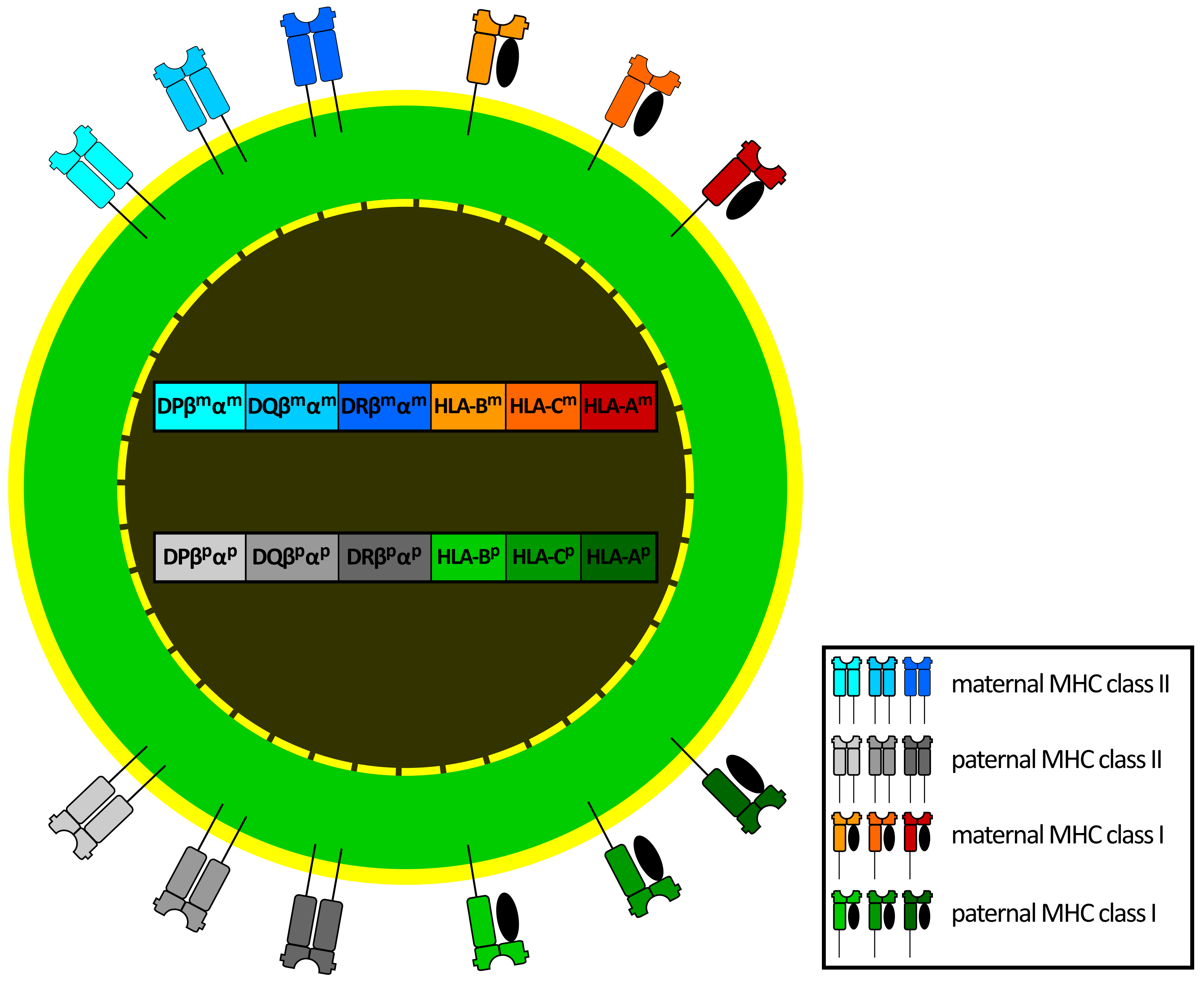
Kuva 1. HLA-geenien kodominantti ilmentyminen.
MHC-proteiinit jaetaan yleensä kolmeen "luokkaan". MHC-luokan I proteiinit ilmenevät useimmissa kehon soluissa ja auttavat meitä taistelemaan virustartuntoja vastaan. MHC-luokan I proteiineihin kuuluvat HLA-A, HLA-B ja HLA-C. MHC-luokan II proteiinit ilmenevät immuunisoluissa, kuten B-soluissa, aktivoituneissa apu-T-soluissa, makrofageissa ja dendriittisoluissa; nämä solut auttavat meitä taistelemaan bakteeritartuntoja vastaan tuottamalla vasta-aineita. MHC-luokka II koodaa HLA-DR, HLA-DQ ja HLA-DP. On myös MHC-luokan III proteiineja, jotka tukevat immuunisolujamme.
Jokaisen proteiiniluokan rakenne on erilainen - MHC-luokka II:lla on 2 ketjua (A-ketju ja B-ketju), kun taas MHC-luokalla I on vain yksi suuri ketju, joka on kytketty makroglobuliiniin. Siksi MHC-luokka II proteiineja nimeäessä joskus lisätään lisäkomponentti ketjun määrittämiseksi.
HLA-nimitys ja tyypitys
HLA 2010 -nimityskäytäntö on tällä hetkellä laajasti käytössä MHC-proteiinien ja niitä koodaavien HLA-geenien nimeämisessä. Käytäntö tunnistaa HLA-geenin, alleeliryhmän/allotyypin, spesifisen proteiinin sekä mahdolliset kor It has been found that couples with very different HLA types and differences in their MHC genes tend to have more fulfilling relationships, what we at DNA Romance like to call “romantic chemistry”, also known as genetic compatibility.
What is genetic compatibility?
Genetic compatibility refers to the match between the genes of two individuals, particularly with respect to their potential to have children together. Certain genetic combinations are more compatible and can result in healthier offspring.
One method is to test for genetic compatibility is the presence or absence of certain genetic markers, such as HLA (human leukocyte antigen) markers, which are involved in the immune system.
Individuals with more dissimilar HLA profiles may be more genetically compatible, as this could result in a child with a more diverse immune system.
Another way to evaluate genetic compatibility is through genetic testing for inherited disorders. Couples who are considering having children may choose to undergo genetic testing to determine their risk of passing on certain inherited disorders to their offspring. This can help them make informed decisions about their fertility options and the potential risks and benefits of having children together.
It is important to note that genetic compatibility is not the only factor that determines the health and well-being of a child. Other factors, such as the overall health and lifestyle of the parents, can also have a significant impact on the health of a child.
Let DNA Romance can help you find your genetic matches today!
SAAT PARIN YHTEENSOPIVUUSRAPORTIN.
Ota ilmainen persoonallisuustesti.