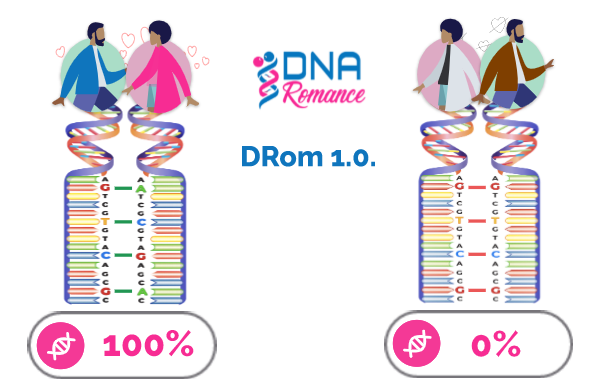
DNA Romance predicts "Chemistry" online using the DRom 1.0 algorithm. This algorithm assesses 100 specific markers within your DNA, focusing on genes proven to be involved in attraction and reproduction. Studies have shown that people with varied DNA markers in the Major Histocompatibility Complex (MHC) tend to find each other’s scent appealing and often enjoy more durable romantic relationships .
DNA Romance ennustaa myös. persoonallisuus yhteensopivuus Käyttäen persoonallisuustyyppejä, jotka on johdettu psykometrisistä testeistä, ja mahdollistaa käyttäjien arvioida. 'jaetut yhteiset mielenkiinnon kohteet käyttäen suodattimia,' ja fyysinen vetovoima Perustuen heidän ottelunsa valokuviin. DNA Romancen. second genetic algorithm DRom 2.0 Käyttää AI-mallia, joka on koulutettu relevanttien DNA-merkkien avulla ennustamaan fenotyyppisiä piirteitä korkealla tarkkuudella. DRom 2.0 täydentää DNA Romancen palvelua. 'profiilin varmennusmekanismi' joka esittelee useita tarkistuskerroksia, jotka auttavat paremmin osoittamaan käyttäjäprofiilin aitouden.
'Tutustu meidän'
'persoonallisuus yhteensopivuusarvio'.
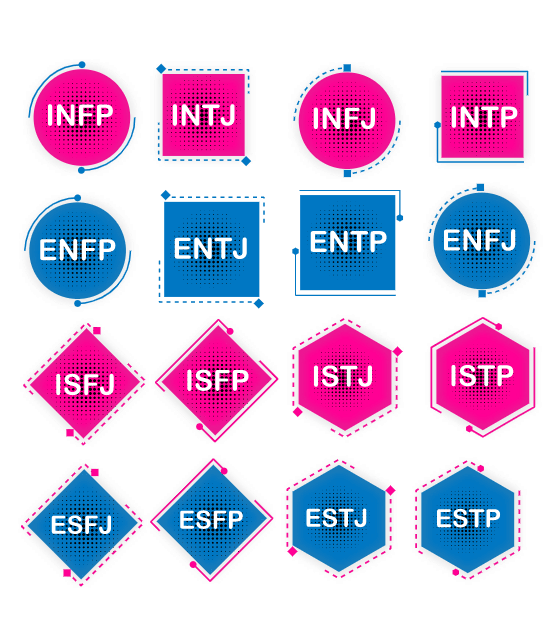
inspired by the renowned Jung/Myers-Briggs 16 personality types. Developed over a century ago by Swiss psychiatrist Dr. Carl Jung and further refined by Isabel Briggs Myers and Katherine Briggs, this psychometric test has stood the test of time. Recognized as the Myers-Briggs Type Indicator®, it's widely used in organizational psychology.
DNA Romance utilizes this personality compatibility algorithm to predict potential connections between both singles and couples. DNA Romance's algorithms strategically assigns higher compatibility scores to similar personality types, and lower scores to those that may conflict.
DNA Romance predicts "Chemistry" using DRom 1.0, an algorithm that analyses Single Nucleotide Polymorphisms (SNPs)confirmed to influence relationship choice in several independent studies. Here we present just a few of the research papers we evaluated in order to develop DRom 1.0 .
Jokiniemi A, Turunen T, Kohonen M et al. (2025) Female-mediated selective sperm activation may remodel major histocompatibility complex-based mate choice decisions in humans Heredity 134, 321–330.
*** This study reveals a paradox: women prefer the body odours of MHC-similar men, but sperm from MHC-dissimilar men exhibit higher motility when exposed to female follicular fluid. This suggests that the most attractive males may not necessarily be the most optimal partners in terms of fertilisation success, indicating that post-copulatory selection can remodel pre-mating mate choice decisions.
Havlíček J, Winternitz J, Roberts S (2020) Major histocompatibility complex-associated odour preferences and human mate choice: near and far horizons Philosophical Transactions of the Royal Society B, 375:20190260.
*** A comprehensive meta-analysis examining MHC-based mate choice in humans. The analysis found no significant overall effect of MHC-similarity on human mate selection when combining genomic studies, relationship satisfaction measures, and odour preference experiments. The authors recommend larger, more diverse samples and greater focus on mechanisms of MHC-associated pregnancy loss.
Dandine-Roulland C, Laurent R, Dall'Ara I, Toupance B ja Chaix R (2019) Genominen näyttö MHC:n epäyhteneväisestä parittelusta ihmisillä.
This study on major histocompatibility complex (MHC) and mate choice in humans suggests that while couples in Northern Europe tend to exhibit MHC-dissimilarity, potentially indicative of a biological influence on mate choice, social and/or cultural factors in other regions, like Israel, may override or obscure such biologically-driven mating preferences.
Birnbaum GE, Zholtack K, Mizrahi M & Ein-Dor T (2019) Katkera pilleri: Suun kautta otettavien ehkäisyvalmisteiden lopettaminen lisää vaihtoehtoisten kumppanien houkuttelevuutta. Evolutionary Psychological Science volume 5, pages 276–285
*** Hormonaaliset ehkäisyvalmisteet muuttavat naisten kumppanivalintoja kohti hoivaavampia miehiä, mutta niiden käytön lopettaminen palauttaa nämä mieltymykset, lisäten vetovoimaa geneettisesti yhteensopivampia miehiä kohtaan, erityisesti korkean hedelmällisyyden vaiheissa, mahdollisesti kannustaen vaihtoehtoisten kumppanien tavoitteluun.
Wedekind C (2019) A predicted interaction between odour pleasantness and intensity provides evidence for major histocompatibility complex social signalling in women Proc. R. Soc. B 285:20172714.
*** Artikkeli kuvailee yhteyttä ihmisten pääasiallisen kudostyyppikompleksin (MHC) ja hajumieltymysten välillä, keskustellen aiemmista löydöksistä ja analysoimalla, miten kainalon ajelu ja muut tekijät voivat vaikuttaa kehon hajun havaitsemiseen ja sen yhteyteen MHC:hen. Aiempien tietojen uudelleenanalyysi paljastaa, että hajun miellyttävyys ja voimakkuus voivat vuorovaikuttaa MHC:n erilaisuuden kanssa vaikuttaen sosiaaliseen viestintään hajun kautta, mikä viittaa monimutkaiseen suhteeseen MHC:n, hajun havaitsemisen ja sosiaalisen kommunikaation välillä.
Wu K, Chen C, Moyzis RK, Nuno M, Yu Z and Greenberger E (2018) More than skin deep: Major histocompatibility complex (MHC)-based attraction among Asian American speed-daters Evolution and Human Behavior. 39(4):447-456.
*** Nopeusdeittailutilanteessa naiset, mutta eivät miehet, osoittivat mieltymyksiä kumppaneille, jotka perustuivat Major Histocompatibility Complex (MHC) -komplementaarisuuteen SNP-analyysin kautta. Eri SNP:t vaikuttivat vetovoiman suuntaan riippuen läheisyydestä tärkeisiin HLA-geeneihin, ja MHC-pohjaiset indeksit pitivät vertailukelpoista vaikutusta itseilmoitettuihin persoonallisuuspiirteisiin ennustaessaan toisen treffin tarjouksia molemmille sukupuolille.
Henningsson S, Hovey D, Vass K, Walum H, Sandnabba K, Santtila P, Jern P, Westberg L (2017) A missense polymorphism in the putative pheromone receptor gene VN1R1 is associated with sociosexual behavior Transl Psychiatry. 7(4):e1102.
*** Tutkimus löytää merkittävän yhteyden polymorfismin ja VN1R1-geenin välillä, joka liittyy ihmisen vomeronasaalisen tyyppi-1-reseptorin 1 (osana järjestelmää, joka välittää feromonien vaikutuksia) ja sosiaalisen käyttäytymisen välillä naisilla, erityisesti yhden yön juttujen suhteen, mikä viittaa siihen, että kemiallinen viestintä voi vaikuttaa ihmisten sosiaalisiin vuorovaikutuksiin.
'Burger D, Meuwly C, Marti E, Sieme H, Oberthür M, Janda J, Meinecke-Tillmann S ja Wedekind C. (2017)' MHC-korreloivat mieltymykset diestroottisilla tammoilla (Equus caballus).
Tässä tutkimuksessa tutkittiin Major Histocompatibility Complex (MHC) -geenien ja testosteronitasojen vaikutusta tammojen parittelumieltymyksiin, ja havaittiin, että tammoilla oli kohonnut kiinnostus MHC-epäsopivia oreja kohtaan niiden diestrusvaiheessa (ei-reproduktiivinen jakso), mutta muut MHC:hen liittymättömät urosominaisuudet, mahdollisesti kuten fyysiset piirteet tai käyttäytymisviitteet, saattoivat ohittaa MHC-vaikutukset niiden estrusvaiheessa (reproduktiivinen jakso), ja konteksti sekä kiertovaihe olivat keskeisiä kumppanin valinnassa.
Sherlock JM, Sidari MJ, Harris EA, Barlow FK, Zietsch BP (2016) Testing the mate-choice hypothesis of the female orgasm: disentangling traits and behaviours Socioaffect Neurosci Psychol. 6:31562.
*** Tutkimus viittaa siihen, että naiset kokevat vaihtelevia orgasmin taajuuksia eri kumppaneiden kanssa, ja ne, jotka aiheuttavat korkeampia orgasminopeuksia, koetaan huumorintajuisempina, luovempina, lämpiminä, uskollisempina ja paremmin tuoksuvina, ja he myös kiinnittävät enemmän huomiota kumppaninsa seksuaaliseen tyytyväisyyteen, osittain tukevat naisten orgasmin kumppaninvalintahypoteesia, joka esittää sen mahdollisena mekanismina korkealaatuisten kumppaneiden valitsemiseksi.
Kromer J, Hummel T, Pietrowski D, Giani AS, Sauter J, Ehninger G, Schmidt AH, Croy I (2016) Influence of HLA on human partnership and sexual satisfaction Sci Rep. 6:32550.
*** Tutkimus osoittaa, että ihmisillä HLA (immuunijärjestelmän geneettinen osa) erilaisuus voi vaikuttaa kumppanin valintaan ja seksuaaliseen tyytyväisyyteen, mahdollisesti havaitsemalla hajuaistin vihjeitä geneettisestä yhteensopivuudesta, samalla tavalla kuin muissa eläimissä havaitut mekanismit, edistäen geneettistä monimuotoisuutta ja vastustuskykyä jälkeläisten patogeenejä vastaan.
Wlodarski R. and Dunbar RIM. (2015) What's in a Kiss? The Effect of Romantic Kissing on Mate Desirability Evol Psychol. 12(1): 178–199.
*** Tämä tutkimus osoitti, että koettu romanttinen suutelutaito vaikuttaa mahdollisten kumppanien arviointiin, lisäten haluttavuutta erityisesti naisilla satunnaisissa seksuaalisissa tilanteissa. Vaikka visuaaliset vihjeet voivat ohittaa suuteluun liittyvän tiedon vaikutuksen tietyissä parittelutilanteissa, houkuttelevan visuaalisen tiedon vaikutus näyttää olevan miehille voimakkaampi kuin naisille, viitaten suutelun moniulotteiseen rooliin kumppanin laadun ja haluttavuuden välittämisessä muiden vihjeiden ohella.
'Burger D, Dolivo G, Marti E, Sieme H ja Wedekind C.(2015)' 'Naaraspuolinen pääasiallinen histokompatibiliteettikompleksi vaikuttaa uroksen testosteronitasoihin ja siittiöiden määrään hevosessa (Equus caballus).'
Tämä tutkimus tarkastelee miten Major Histocompatibility Complex (MHC) vaikuttaa urosten lisääntymisstrategioihin hevosissa. Tutkimus paljasti, että kun oriit altistettiin erilaisille MHC-tyypeille kuin he itse, heillä oli korkeammat testosteronitasot ja he tuottivat suuremman määrän siittiöitä yhdessä siemensyöksyssä verrattuna tilanteeseen, jossa he altistettiin MHC-samanlaisille tammoille. Tämä korostaa, että MHC-liittyvät signaalit voivat todella vaikuttaa urosten testosteronin tuotantoon ja siemennesteen ominaisuuksiin, ja siten vaikuttaa lisääntymisstrategioihin.
Christakis NA and Fowler JH (2014) 'Ystävyys ja luonnonvalinta' PNAS. 11:10796–10801.
*** Tutkimus osoittaa, että ihmiset taipuvat muodostamaan ystävyyssuhteita yksilöiden kanssa, joilla on samankaltaisia genotyyppejä - samankaltaisella neljännen serkun tasolla - koko genomin laajuudelta, ja kun tietyt genotyypit ovat positiivisesti korreloituneita (homofiilisiä), toiset ovat negatiivisesti korreloituneita (heterofiilisiä) ystävien kesken, erityisten geeniryhmien liittyessä hajuaistiin ja immuunijärjestelmään ystävyyssuhteiden muodostumisessa, ehdottaen, että ystävät saattavat toimia "toiminnallisina sukulaisina" ja vihjaten, että homofiiliset genotyypit saattavat tarjota synergistisiä kuntoetuja, jotka ovat vaikuttaneet viimeaikaiseen ihmisen evoluutioon.
Laurent R and Chaix R (2012) MHC-dependent mate choice in humans: Why genomic patterns from the HapMap European American dataset support the hypothesis BioEssays. 34(4):267-71.
*** This study supports the hypothesis that humans tend to choose mates with different MHC (Major Histocompatibility Complex) genes than their own, which may promote genetic diversity and immune system strength in offspring.
Lie HC, Simmons LH and Rhodes G (2010) Genetic dissimilarity, genetic diversity, and mate preferences in humans Evolution and Human Behavior 31:8–58.
*** Tässä tutkimuksessa tutkitaan geneettisten tekijöiden, erityisesti pääasiallisen histokompatibiliteettikompleksin (MHC), vaikutusta kumppanivalintoihin ihmisillä. Tutkimuksessa havaitaan, että miehet suosivat MHC-epäsopivia naisia sekä lyhytaikaisissa että pitkäaikaisissa parinmuodostustilanteissa, kun taas geneettinen monimuotoisuus vaikuttaa sekä miesten että naisten kumppanivalintoihin eri parinmuodostustilanteissa. Tämä tukee MHC:n merkittävää roolia ihmisten kumppanivalinnassa ja viittaa siihen, että nämä mieltymykset saattavat toimia geneettisen monimuotoisuuden lisäämiseksi jälkeläisissä.
Lie HC, Rhodes G and Simmons LH (2010) Is genetic diversity associated with mating success in humans? Animal Behaviour. 79, 4:903-909
*** Tämä tutkimus osoittaa, että ihmisillä, erityisesti naisilla, geneettinen monimuotoisuus, erityisesti suurissa histokompatibiliteettikompleksissa (MHC), liittyy suurempaan parinvalintamenestykseen, mitattuna seksuaalisten kumppanien määrällä, tukien käsitystä siitä, että geneettisillä tekijöillä, jotka mahdollisesti liittyvät immuunijärjestelmän toimintaan, on rooli ihmisten parinvalintamenestyksessä, kun taas miehillä ei löytynyt merkittävää yhteyttä.
Chaix R, Cao C, and Donnelly P (2008) Is Mate Choice in Humans MHC-Dependent? PLOS Genetics, 4 (9)
*** Tutkimus osoittaa, että vaikka eurooppalaiset amerikkalaiset väestöt saattavat suosia MHC:ltä erilaisia kumppaneita, valiten monimuotoisuutta jälkeläisten immuunijärjestelmissä, tällaista kaavaa ei havaita tutkituissa afrikkalaisissa väestöissä, mikä viittaa siihen, että MHC:n vaikutus kumppanin valintaan voi olla kontekstiriippuvaista ja mahdollisesti muokattu eri tekijöiden toimesta.
Schwensow N, Fietz J, Dausmann K, Sommer S (2008) MHC-associated mating strategies and the importance of overall genetic diversity in an obligate pair-living primate Evol Ecol. (22) 617-636
*** Tutkimus tutkii kumppanin valintaa paksupyrstöisessä kääpiölemurissa, ja löytää, että naaraat suosivat uroksia, joilla on suurempi MHC-genettinen monimuotoisuus ja alhaisempi MHC-yhteensopivuus sekä sosiaalisina että geneettisinä isinä, kun taas yleinen geneettinen heterotsygotisuus ja sukulaisuus eivät merkittävästi vaikuta kumppanin valintaan; ylimääräiset paritukset saattavat tapahtua geneettisen yhteensopimattomuuden vähentämiseksi, mikä korostaa "hyvien geenien kuin heterotsygotisuuden" ja "epäyhteensopivan parituksen" hypoteesien monimutkaista vuorovaikutusta primattien paritusstrategioissa.
Wedekind C (2007) The Major Histocompatibility Complex and Perfumers' Descriptions of Human Body Odors Evolutionary Psychology.5(2): 330-343
*** Tämä kokeilu paljastaa yhteyden pääasiallisen histokompatibiliteettikompleksin (MHC) ja ihmisten kehon hajujen sanallisten kuvastusten välillä, osoittaen, että ammattimaiset hajuvesisuunnittelijat voivat jossain määrin ilmaista MHC:hen liittyviä kehon hajukomponentteja, korostaen MHC:n vaikutusta ihmisten hajuaistimukseen ja mahdollisesti kumppanin valintaan, ottaen huomioon MHC:n kriittinen rooli immuunijärjestelmän toiminnassa ja aiemmin huomioitu vaikutus kehon hajuun ja kumppanin valintaan.
Garver-Apgar CE, Gangestad SW, Thornill R, Miller RD and Olp JJ (2006) Major histocompatibility complex alleles, sexual responsivity, and unfaithfulness in romantic couples Psychol Sci, 17(10): 830-835.
*** In the context of romantic couples, the study finds that as the proportion of shared Major Histocompatibility Complex (MHC) alleles increases, women's sexual responsivity to their partners decreases, while their number of extra-pair sexual partners and attraction to men other than their primary partners, especially during their fertile phase, increases, suggesting that MHC-dissimilarity might play a role in sexual attraction and partner selection, potentially driven by underlying genetic and reproductive strategies to enhance offspring immunocompetence by maintaining genetic diversity.
Roberts CE, Gosling LM, Carter V and Petrie M (2006) MHC-correlated odour preferences in humans and the use of oral contraceptives Proc. R. Soc. B 275, 2715–2722
*** This study investigates how oral contraceptives influence women's preferences for certain male odours, which are known to be influenced by genes in the Major Histocompatibility Complex (MHC). Previous research has indicated that female preference for MHC-dissimilar male odour may function to increase offspring heterozygosity or minimize inbreeding. Interestingly, it has also been suggested that women using oral contraceptives tend to prefer the scent of MHC-similar males, which runs contrary to this logic. The study utilized a longitudinal design to test women before and after initiating contraceptive pill use, comparing their preferences to a control group of non-pill users. While the study didn't find a significant difference in ratings between odours of MHC-dissimilar and MHC-similar men during the follicular cycle phase in general, it did unearth that single women tended to prefer the odour of MHC-similar men, whereas women in relationships leaned towards the odour of MHC-dissimilar men. This latter finding aligns.
Wedekind C (2006) The Intensity of Human Body Odors and the MHC: Should We Expect A Link? Evolutionary Psychology. 4:85-94
*** Tämä tutkimus erottelee suhteita muutamien MHC (pää histokompatibiliteetti kompleksi) geenien ja miesten kehon hajujen intensiivisyyden ja miellyttävyyden välillä, ja havaitaan, että miehet, joilla on vähintään yksi homozygoottinen MHC-antigeeni, eivät päästä merkittävästi voimakkaampia hajuja kuin heterotsygootit, mutta heidän hajunsa koetaan merkittävästi voimakkaammiksi naisilla, joilla on erilainen MHC.
Pause BM, Krauel K, Schrader C, Sojka B, Westphal E, Müller-Ruchholtz W, and Ferstl R. (2006) The human brain is a detector of chemosensorily transmitted HLA-class I-similarity in same- and opposite-sex relations Proc. R. Soc. B (2006) 273, 471–478 doi:10.1098/rspb.2005.3342
*** This study reveals that humans subconsciously detect and respond to body odors from individuals with similar HLA (Human Leucocyte Antigen) genetic markers, which might play a critical role in social interactions and mate selection by acting as subtle social signals within both same-sex and opposite-sex relationships.
Martins Y, Preti G, Crabtree CR, Runyan T, Vainius AA and Wysocki CJ (2005) Preference for Human Body Odors Is Influenced by Gender and Sexual Orientation Psychological Science, 16(9) 694-702
*** Tämä tutkimus osoittaa, että seksuaalinen suuntautuminen ja sukupuoli vaikuttavat yksilöiden mieltymyksiin ihmisten kehähajuissa, ja heteroseksuaaliset ja homoseksuaaliset miehet ja naiset näyttävät erottuvia kahden valinnan mieltymyksiä, kun heille esitetään kehähajuja eri sukupuolten ja seksuaalisten suuntautumisten yhdistelmistä, mikä viittaa siihen, että kehähaju voi olla tekijä seksuaalisten ja sosiaalisten kumppanien valinnassa.
Horton R, Wilming L, Rand V, Lovering RC, Bruford EA, Khodiyar VK, Lush MJ, Povey S, Talbot CC Jr, Wright MW, Wain HM, Trowsdale J, Ziegler A, Beck S (2004) Gene map of the extended human MHC. Nat Rev Genet 5(12):889-899
*** This study characterises an integrated gene map of the extended human MHC, a pivotal region in the vertebrate genome for infection and autoimmunity due to its essential role in both adaptive and innate immunity, highlighting its significant content related to paralogy, polymorphism, immune functionality, and its association with various diseases, providing a comprehensive view stemming from the assimilation of data from several large-scale studies.
Jacob S, McClitock MK, Zelano B and Ober C (2002) Paternally inherited HLA alleles are associated with woman's choice of male odour Nature Genetics, 30:175
*** This study demonstrates that women can discern differences in male body odor influenced by a single variance in HLA (human MHC) allele, with a woman's capacity to distinguish and prefer certain odors notably being based on HLA alleles inherited from her father and not her mother; this suggests that paternally inherited HLA-associated odors influence odor preference and might function as social cues, even despite a milieu of potential odors derived from a variety of genetic and cultural factors.
Milinski M and Wedekind C (2001) Evidence for MHC-correlated perfume preference in humans Behavioural Ecology 12(2):140-149
*** Tutkimus tutkii Suuren Histokompatibiliteettikompleksin (MHC) genotyyppien ja ihmisten hajuvesimieltymysten välistä suhdetta. He havaitsivat merkittävän korrelaation yksilön MHC:n (erityisesti HLA-A, -B, -DR) ja heidän arvioidensa eri tuoksuista henkilökohtaista käyttöä varten, tietyillä HLA-tyypeillä (esim. HLA-A2) osoittaen johdonmukaisia hajuvesimieltymyksiä. Kuitenkin, kun kyse oli kumppanin tuoksun mieltymyksistä, korrelaatio oli suurelta osin merkityksetön, mikä tukee hypoteesia, että yksilöt valitsevat hajuvesiä henkilökohtaista käyttöä varten mahdollisesti parantaakseen tai voimistakseen omia immunogeenisiä paljastavia kehonhajujaan sen sijaan, että muuttaisivat kumppaniensa hajuja.
Wedekind C, Seebeck T, Bettens F And Paepke AJ (1995) MHC-dependent mate preferences in humans. Proc.R.Soc.Lond.B. 260:245-249.
*** Tässä tutkimuksessa havaittiin, että ihmiset suosivat potentiaalisten kumppanien kehojen hajuja, joilla on erilaiset immuunijärjestelmän geenit kuin omillaan, mutta tämä mieltymys muuttuu naisilla, jotka käyttävät ehkäisyvalmisteita.
MHC similarity between couples is known to cause issues with family planning, here are some of the peer-reviewed papers describing the role of MHC similarity and human reproduction .
* demonstrated increased rates of recurrent spontaneous abortion among Hutterite couples matching for HLA-DQA1 alleles
Ober., Steck., Ven., Billstrand., Messer., Kwak., Beaman., Beer (1993) MHC class II compatibility in aborted fetuses and term infants of couples with recurrent spontaneous abortion Journal of Reproductive Immunology, Volume 25, Issue 3, December 1993, Pages 195-207
* results of a 10 year study that demonstrated increased fetal loss rates among Hutterite couples matching for HLA antigens.
Ober C, Hyslop T, Elias S, Weitkamp LR, Hauck WW (1998) Human leukocyte antigen matching and fetal loss: results of a 10 year prospective study Human Reproduction, Volume 13, Issue 1, Jan 1998, Pages 33–38
* describe the relationship between HLA similarity at individual alleles, as well as HLA haplotypes as indicators for increased risk of fetal loss among Hutterite couples.
Ober C (1999) Studies of HLA, fertility and mate choice in a human isolate Hum Reprod Update 5(2):103-107.
* identified differential association of alleles in HLA-A, HLA-B, HLA-C, and HLA-DRB1 when compared with reported world RSA patients.
Shankarkumar U, Pawar A, Gaonkar P, Parasannavar D, Salvi V, and Ghosh K (2008) HLA allele associations in idiopathic recurrent spontaneous abortion patients from India J Hum Reprod Sci. 2008 Jan;1(1):19-24.
* found an increased frequency of homozygosity for HLA-E*0101 in Egyptian women with RM
Mosaad YM, Abdel-Dayem Y, El-Deek BS and El-Sherbini SM (2011) Association between HLA-E *0101 homozygosity and recurrent miscarriage in Egyptian women Scand J Immunol. 2011 Aug;74(2):205-9.
* performed a meta-analyses of 41 studies and showed that HLA-B sharing and HLA-DR sharing were both associated with the occurrence of RM.
Meuleman T, Lashley LE, Dekkers OM, van Lith J, Claas FH and Bloemenkamp KW (2015) HLA associations and HLA sharing in recurrent miscarriage: A systematic review and meta-analysis Hum Immunol. May;76(5):362-73.
* proposed a genetic-risk calculation that could predict recurrent miscarriage (RM) based on analysing HLA haplotypes from couples either with histories of successful pregnancies or RM.
Mora-Sánchez A, Aguilar-Salvador D, Nowak I (2019) Towards a gamete matching platform: using immunogenetics and artificial intelligence to predict recurrent miscarriage NPJ Digit Med Mar 7;2:12.
* found that sperm viability was associated with partners' HLA dissimilarity, indicating that cervical mucus may selectively facilitate later gamete fusion between immunogenetically compatible partners.
Jokiniemi A, Magris M, Ritari J, Kuusipalo L, Lundgren T, Partanen J and Kekäläinen J (2020) Post-copulatory genetic matchmaking: HLA-dependent effects of cervical mucus on human sperm function Proc Biol Sci., doi: 10.1098/rspb.2020.1682.
* demonstrated that HLA eplet dissimilarity positively affects sperm viability in follicular fluid, providing evidence that cryptic female choice operates at the gamete level to favour immunologically compatible partners.
Magris M, Jokiniemi A, Kuusipalo L, Ritari J, Koskela S, Partanen J and Kekäläinen J (2021) Structural dissimilarity of partners' immune genes increases sperm viability in women's reproductive tract Journal of Evolutionary Biology, 34(7):1125-1134.
* demonstrated that soluble HLA-G secreted by embryos into IVF culture medium correlates with implantation success and pregnancy rates, confirming the importance of HLA molecules in early pregnancy.
Lédée N, Petitbarat M, Chevrier L, et al. (2022) The impact of soluble HLA-G in IVF/ICSI embryo culture medium on implantation success Front Immunol. 13:982518.
* found that over 70% of couples with recurrent miscarriages or IVF failures showed high HLA-DQA1 allele similarity, supporting the role of HLA compatibility in reproductive outcomes.
Pafilis I, Michou V, Tsilivakos V, et al. (2023) Human Leukocyte Antigen Alleles Compatibility and Immunophenotypic Profile Associations in Infertile Couples Int J Mol Sci. 24(6):5350.
* found that primary infertile couples (N=609) share more HLA alleles than expected by chance, suggesting HLA similarity may contribute to unexplained infertility and IVF failure.
Kolańska K, Grześ S, Łukaszuk K, et al. (2025) Primary infertile couples share more HLA alleles than expected by chance European Journal of Obstetrics & Gynecology and Reproductive Biology.
MHC-based mate choice is not unique to humans—it is an evolutionarily conserved mechanism found across all vertebrate species studied. Research in fish, birds, rodents, primates, and horses demonstrates that MHC genes influence partner selection, reproductive success, and offspring fitness throughout the animal kingdom. This conservation across 450 million years of vertebrate evolution underscores the fundamental biological importance of MHC compatibility in reproduction.
* Landmark study demonstrating that house mice prefer mates with dissimilar MHC genotypes. Mice detect MHC differences through urine odor cues, and MHC-disassortative mating preferences result in a 27% deficit of MHC homozygous offspring in wild populations.
Penn DJ and Potts WK (1999) The evolution of mating preferences and major histocompatibility complex genes The American Naturalist, 153(2):145-164.
* Demonstrated that female three-spined sticklebacks (Gasterosteus aculeatus) use odor-based MHC detection to select mates that will produce offspring with optimal MHC diversity, equipping them with maximal resistance to pathogens and parasites.
Milinski M, Griffiths S, Wegner KM, Reusch TBH, Haas-Assenbaum A, Boehm T (2005) Mate choice decisions of stickleback females predictably modified by MHC peptide ligands PNAS, 102(12):4414-4418.
* Found that both male and female sticklebacks with intermediate MHC class IIB diversity had the highest lifetime reproductive success, demonstrating that optimal (not maximal) MHC diversity maximizes fitness.
Kalbe M, Eizaguirre C, Dankert I, Reusch TBH, Sommerfeld RD, Wegner KM, Milinski M (2009) Lifetime reproductive success is maximized with optimal major histocompatibility complex diversity Proceedings of the Royal Society B, 276(1658):925-934.
* In the grey partridge, females preferentially paired with males having more dissimilar MHC, with lower numbers of shared amino acid variants. This supports the 'inbreeding avoidance' and 'complementary genes' hypotheses in a strictly monogamous bird species.
Løvlie H, Gillingham MAF, Worley K, Pizzari T, Richardson DS (2017) Mate choice for major histocompatibility complex complementarity in a strictly monogamous bird, the grey partridge (Perdix perdix) Frontiers in Zoology, 14:9.
* Wild-spawning Atlantic salmon that chose their own mates produced offspring with 4× lower parasite loads than artificially crossed salmon, despite similar MHC diversity—demonstrating that MHC-mediated mate choice directly increases offspring fitness.
Consuegra S, de Leaniz CG (2008) MHC-mediated mate choice increases parasite resistance in salmon Proceedings of the Royal Society B, 275(1641):1397-1403.
* Discovered that MHC peptides trigger olfactory imprinting in zebrafish during a critical developmental period, creating persistent kin recognition preferences—demonstrating a fundamental mechanism by which vertebrates learn to recognize MHC-similar individuals.
Gerlach G, Hodgins-Davis A, Avolio C, Schunter C (2013) Olfactory imprinting is triggered by MHC peptide ligands Scientific Reports, 3:2800.
* Found non-random mating based on MHC in Chinook salmon—females directed more aggression toward MHC-similar males than MHC-dissimilar males, providing behavioral evidence for active mate discrimination based on immune genes.
Neff BD, Garner SR, Heath JW, Heath DD (2008) The MHC and non-random mating in a captive population of Chinook salmon Heredity, 101:175-185.
* In a study of 191 mares, females were significantly more likely to become pregnant when exposed to MHC-dissimilar stallions (p=0.019), demonstrating "cryptic female choice" influenced by MHC social signalling in horses.
Burger D, Meuwly C, Marti E, Sieme H, Oberthür M, Janda J, Meinecke-Tillmann S, Wedekind C (2017) MHC-linked social signalling affects female fertility in horses Proceedings of the Royal Society B, 284:20161998.
* Found that stallions exposed to MHC-dissimilar mares exhibited 19.2%% higher testosterone levels and produced more sperm per ejaculate, demonstrating that MHC-linked signals directly affect male reproductive strategies.
Burger D, Dolivo G, Marti E, Sieme H, Wedekind C (2015) 'Naaraspuolinen pääasiallinen histokompatibiliteettikompleksi vaikuttaa uroksen testosteronitasoihin ja siittiöiden määrään hevosessa (Equus caballus).' Proceedings of the Royal Society B, 282:20150407.
* Meta-analysis of 58 effect sizes from 30 studies across seven primate species found a significant trend favouring MHC-diverse mates. The analysis confirms MHC-based mate preferences operate across the primate lineage.
Winternitz J, Abbate JL, Huchard E, Havlíček J, Garamszegi LZ (2017) Patterns of MHC-dependent mate selection in humans and nonhuman primates: a meta-analysis Molecular Ecology, 26(2):668-688.
* In wild grey mouse lemurs from Madagascar, found evidence for post-copulatory mate choice associated with MHC constitution—fathers had higher numbers of MHC supertypes different from mothers than randomly assigned males.
Schwensow N, Eberle M, Sommer S (2008) Compatibility counts: MHC-associated mate choice in a wild promiscuous primate Proceedings of the Royal Society B, 275(1634):555-564.
* Building on Burger's work, found that stallion semen quality depends on MHC matching to teaser mares—semen collected in the presence of MHC-dissimilar mares had higher sperm concentration and better motility.
Jeannerat E, Marti E, Berney C, Janett F, Bollwein H, Sieme H, Burger D, Wedekind C (2018) Stallion semen quality depends on major histocompatibility complex matching to teaser mare Molecular Ecology, 27(4):1025-1035.
* First evidence for MHC-based mate choice in reptiles: female Chinese alligators preferentially mate with MHC-heterozygous males that are genetically compatible, extending MHC mate choice to crocodilians.
Wang H, Shen FJ, Min MS, Wu XB, Yue BS, Yan P (2018) MHC class I diversity predicts non-random mating in Chinese alligators (Alligator sinensis) Heredity, 122:809-818.
* Found evidence for MHC-disassortative mating in the tuatara, a "living fossil" reptile—demonstrating that MHC-based mate choice has been conserved since the Triassic period (>200 million years ago).
Miller HC, Moore JA, Nelson NJ, Daugherty CH (2009) Influence of major histocompatibility complex genotype on mating success in a free-ranging reptile population Proceedings of the Royal Society B, 276(1662):1695-1704.
* In Seychelles warblers, when females' social mates were MHC-similar, they were more likely to engage in extra-pair copulations, with extra-pair males being significantly more MHC-dissimilar than social mates.
Richardson DS, Komdeur J, Burke T, von Schantz T (2005) MHC-based patterns of social and extra-pair mate choice in the Seychelles warbler Proceedings of the Royal Society B, 272(1564):759-767.
* Demonstrated that MHC-based mate choice in sticklebacks can drive ecological speciation, showing that immunogenes not only influence individual fitness but can shape evolutionary divergence between populations.
Eizaguirre C, Lenz TL, Kalbe M, Milinski M (2018) Mate choice in sticklebacks reveals that immunogenes can drive ecological speciation Behavioral Ecology, 28(4):953-961.
* Found in ring-necked pheasants that male spur length (a sexually selected ornament) was correlated with MHC genotype, demonstrating that sexual ornaments can signal genetic quality at immune genes.
von Schantz T, Wittzell H, Goransson G, Grahn M, Persson K (1996) MHC genotype and male ornamentation: genetic evidence for the Hamilton-Zuk model Proceedings of the Royal Society B, 263(1368):265-271.
* Quantitative review of MHC-based mating preferences across 50+ vertebrate species found significant effects for both MHC diversity and dissimilarity preferences, confirming MHC-mediated mate choice as a widespread vertebrate phenomenon.
Kamiya T, O'Dwyer K, Westerdahl H, Senior A, Nakagawa S (2014) A quantitative review of MHC-based mating preference: the role of diversity and dissimilarity Molecular Ecology, 23(21):5151-5163.
* Demonstrated MHC-based mate choice in sand lizards—females preferred MHC-dissimilar males, showing that reptiles can recognize both their own genotype and that of potential partners through scent cues.
Olsson M, Madsen T, Nordby J, Wapstra E, Ujvari B, Wittsell H (2003) Major histocompatibility complex and mate choice in sand lizards Proceedings of the Royal Society B, 270(Suppl 2):S254-S256.
* Found that frog tadpoles use MHC-based self-referent cues to preferentially associate with MHC-similar kin—demonstrating that MHC recognition operates in amphibians from early developmental stages.
Villinger J, Waldman B (2008) Self-referent MHC type matching in frog tadpoles Proceedings of the Royal Society B, 275(1640):1225-1230.
* Found that MHC-divergent male tiger salamanders had reduced mating success compared to males with intermediate MHC divergence—supporting the optimal MHC diversity hypothesis in amphibians.
Bos DH, Williams RN, Gopurenko D, Bulut Z, DeWoody JA (2009) Condition-dependent mate choice and a reproductive disadvantage for MHC-divergent male tiger salamanders Molecular Ecology, 18(15):3307-3315.
* Comprehensive review of MHC odor signaling mechanisms across vertebrates—synthesizes decades of research on how fish, mice, horses, and humans detect MHC differences through olfactory cues.
Milinski M (2022) A Review of Suggested Mechanisms of MHC Odor Signaling Biology, 11(8):1187.
Our personality compatibility rating is based on the Myers-Briggs 16 personality types. This test has a long history with the development of the first 3 components dating back almost 100 years to Dr. Carl Jung and today the 4 letters and 16 personality type groups are widely known to the majority of people. DNA Romance's personality compatibility algorithm, called PC1, puts maximum weight on similar personality types and less weight towards personality types that tend to clash.
Lok C (2012) Career development: What's your type? Nature, 488: 545-547
* The article highlights the utilization of the Myers-Briggs Type Indicator and similar personality tests in assisting scientists to enhance their soft skills and navigate their careers by providing insights into their personality traits, which can inform their communication, leadership, and teamwork strategies within professional environments.
Keirsey, D (2006) Please Understand Me II (3rd ed) Promethius Nemesis Book Co., Del Mar, CA.
Ymmärrä minua, ole hyvä, on psykologinen kirja David Keirseyn ja Marilyn Batesin kirjoittama, joka käyttää itsearvioitavaa kyselylomaketta, Keirseyn temperamenttijärjestäjää, luokitellakseen yksilöt yhteen kuudestatoista persoonallisuustyypistä ja neljään laajempaan temperamenttityyppiin (Artisaani, Vartija, Rationaali ja Idealisti), tarjoten lukijoille oivalluksia heidän käyttäytymismalleistaan ja perusarvoistaan, samalla hyödyntäen ja yksinkertaistaen aiempia psykologisia teorioita ja tyyppi-indikaattoreita, erityisesti Myers-Briggsin tyyppi-indikaattoria.
Myers IB, McCaulley MH, Quenk NL and Hammer AL (1998) MBTI manual: A guide to the development and use of the Myers-Briggs Type Indicator Consulting Psychologists Press, Palo Alto, CA, Vol. 3.
MBTI®-käsikirja, kolmas painos, toimii kattavana oppaana, jossa kuvataan Myers-Briggsin tyyppi-indikaattorin® välineen kehittämistä, soveltamista ja tulkintaa. Se tarjoaa syvällistä tietoa teoriasta, luotettavuudesta ja pätevyydestä sekä tarjoaa näkemyksiä 16 persoonallisuustyypistä, jotka se tunnistaa. Kaikki tämä on kirjoitettu johtavien asiantuntijoiden, kuten Isabel Briggs Myersin, Mary H. McCaulleyn, Naomi L. Quenkin ja Allen L. Hammerin toimesta.
Myers IB, McCaulley MH and Most R (1985) Manual, a guide to the development and use of the Myers-Briggs type indicator Consulting Psychologists Press.
The 1985 edition, 'Manual: A Guide to the Development and Use of the Myers-Briggs Type Indicator,' introduces and elucidates the Myers-Briggs Type Indicator (MBTI®), designed to render C. G. Jung's psychological type theory comprehensible and applicable in daily life, underlining the principle that behavioral variations, while seemingly sporadic, are consistently orderly, deriving from intrinsic differences in individuals' preferred use of perception and judgment.
Myers IB (1962) Manual, a guide to the development and use of the Myers-Briggs type indicator. Consulting Psychologists Press.
The 1962 manual for the Myers-Briggs Type Indicator provides comprehensive insights and guidelines for implementing C. Jung's theory of psychological types, asserting that behavioral variations are systematic and consistent due to basic perceptual and judgmental preferences, aiming to leverage these preferences through self-reports to ascertain individual psychological types, thereby enabling the practical application and research into their effects on reactions, motivations, values, and capabilities.
Jung CG (1923) Psychological types: or the psychology of individuation Oxford, England: Harcourt, Brace.
Psykologiset tyypit, kirjoittanut Carl Gustav Jung, julkaistiin ensimmäisen kerran vuonna 1923 ja esittelee merkittävän psykologisen teorian tyypologiasta. Teos tarjoaa viitekehyksen, joka pyrkii selittämään persoonallisuuden moninaiset ja näennäisesti satunnaiset erot järjestelmällisen ja järjestelmällisen teorian avulla. Se ehdottaa, että perustavanlaatuiset vaihtelut ihmisen käyttäytymisessä johtuvat yksilöiden sisäisistä eroista siinä, miten he mieluummin käyttävät havaitsemisen ja arvioinnin kognitiivisia toimintojaan. Teos luo pohjan lukuisille persoonallisuusteorioille ja arvioinneille, erityisesti Myers-Briggsin tyyppi-indikaattorille (MBTI).