एकाधिक हिस्टोकम्पैटिबिलिटी कॉम्प्लेक्स (एमएचसी)
मानव ल्यूकोसाइट एंटीजन कैसे पार्टनर चुनाव पर प्रभाव डालते हैं?
प्रमुख हिस्टोकम्पैटिबिलिटी कॉम्प्लेक्स (एमएचसी) क्रोमोसोम 6 पर अनुभाग को संदर्भित करता हैमानव ल्यूकोसाइट सहित सैकड़ों जीन (आंकड़ा 1) युक्तएंटीजन (HLA) जीन। की सतह पर प्रोटीन के लिए एमएचसी कोडन्यूक्लेटेड कोशिकाएं, जिनमें श्वेत रक्त कोशिकाएं शामिल हैं (इसलिए नाम "मानव ल्यूकोसाइट एंटीजन")। एमएचसी प्रोटीन विदेशी को पकड़ते हैं और पेश करते हैंआपके टी-कोशिकाओं के लिए पदार्थ। एमएचसी ऊतक के लिए भी जिम्मेदार है औरलोगों के बीच अंग संगतता, इसलिए नाम "प्रमुख हिस्टोकम्पैटिबिलिटी"।
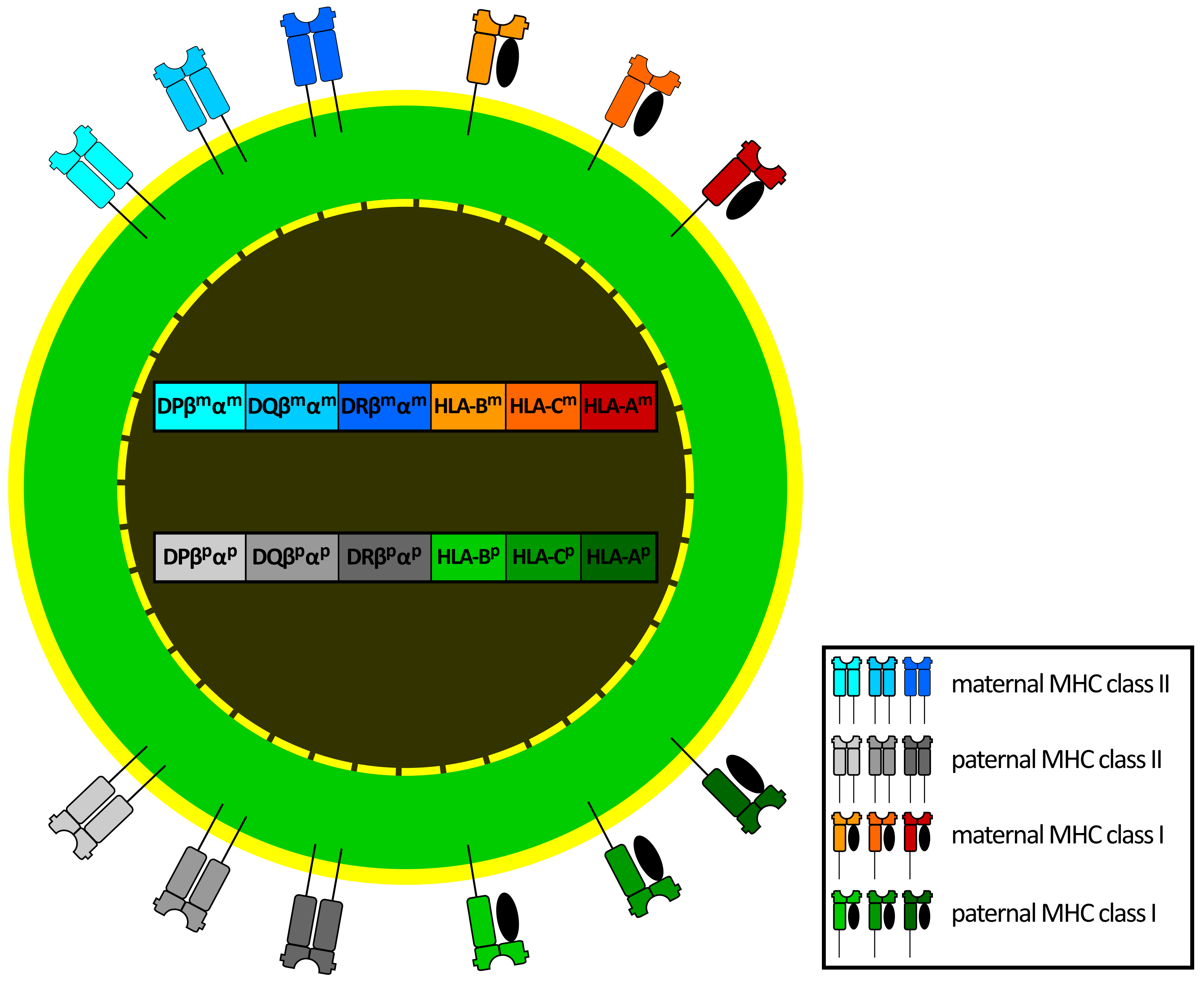
चित्रा 1. एचएलए जीन की कोडोमिनेंट अभिव्यक्ति
एमएचसी प्रोटीन आम तौर पर तीन "वर्गों" में विभाजित होते हैं। एमएचसी वर्ग I प्रोटीन सबसे अधिक व्यक्त किया जाता हैशरीर की कोशिकाएं और वायरल संक्रमण से लड़ने में हमारी मदद करती हैं। एमएचसी वर्ग I प्रोटीन में वे शामिल हैंHLA-A, HLA-B, और HLA-C द्वारा एन्कोड किया गया। एमएचसी वर्ग II प्रोटीन को व्यक्त किया जाता हैप्रतिरक्षा कोशिकाएं जैसे बी-कोशिकाएं, सक्रिय सहायक टी-कोशिकाएं, मैक्रोफेज, औरडेंड्रिटिक कोशिकाएं; ये कोशिकाएं हमें बैक्टीरिया के संक्रमण से लड़ने में मदद करती हैंएंटीबॉडी का निर्माण। एमएचसी वर्ग II एचएलए-डीआर, एचएलए-डीक्यू, औरएचएलए-डीपी। एमएचसी वर्ग III प्रोटीन भी हैं जो हमारी प्रतिरक्षा का समर्थन करते हैंकोशिकाएं।
प्रोटीन के प्रत्येक वर्ग की संरचना भिन्न होती है - जबकि एमएचसी वर्ग II2 चेन (ए चेन और बी चेन) हैं, एमएचसी क्लास I में केवल एक ही बड़ी हैश्रृंखला, एक मैक्रोग्लोबुलिन के साथ मिलकर। जैसे, एमएचसी वर्ग II का नामकरण करते समयप्रोटीन, श्रृंखला को निर्दिष्ट करने के लिए कभी-कभी एक अतिरिक्त घटक जोड़ा जाता है।
HLA नामकरण और टाइपिंग
HLA 2010 नामकरण पद्धति वर्तमान में MHC प्रोटीन और उनके लिए कोड करने वाले HLA जीनों का नामकरण करने के लिए व्यापक रूप से उपयोग की जाती है। यह पद्धति HLA जीन, एलील समूह/एलीलोटाइप, विशिष्ट प्रोटीन, और किसी It has been found that couples with very different HLA types and differences in their MHC genes tend to have more fulfilling relationships, what we at DNA Romance like to call “romantic chemistry”, also known as genetic compatibility.
What is genetic compatibility?
Genetic compatibility refers to the match between the genes of two individuals, particularly with respect to their potential to have children together. Certain genetic combinations are more compatible and can result in healthier offspring.
One method is to test for genetic compatibility is the presence or absence of certain genetic markers, such as HLA (human leukocyte antigen) markers, which are involved in the immune system.
Individuals with more dissimilar HLA profiles may be more genetically compatible, as this could result in a child with a more diverse immune system.
Another way to evaluate genetic compatibility is through genetic testing for inherited disorders. Couples who are considering having children may choose to undergo genetic testing to determine their risk of passing on certain inherited disorders to their offspring. This can help them make informed decisions about their fertility options and the potential risks and benefits of having children together.
It is important to note that genetic compatibility is not the only factor that determines the health and well-being of a child. Other factors, such as the overall health and lifestyle of the parents, can also have a significant impact on the health of a child.
Let DNA Romance can help you find your genetic matches today!
युगल संगतता रिपोर्ट प्राप्त करें
मुफ्त व्यक्तित्व परीक्षण लें