Il Complesso Maggiore di Istocompatibilità (MHC).
Come influenzano le Antigeni dei Leucociti Umani la scelta del partner?
Il complesso maggiore di istocompatibilità (MHC) si riferisce alla sezione sul cromosoma 6 che contiene centinaia di geni (figura 1), tra cui i geni dell'antigene leucocitario umano (HLA). Il MHC codifica per proteine sulla superficie delle cellule nucleate, comprese le cellule del sangue bianco (da qui il nome "antigene leucocitario umano"). Le proteine del MHC catturano e presentano sostanze estranee alle cellule T. Il MHC è anche responsabile della compatibilità dei tessuti e degli organi tra le persone, da qui il nome "maggiore istocompatibilità".
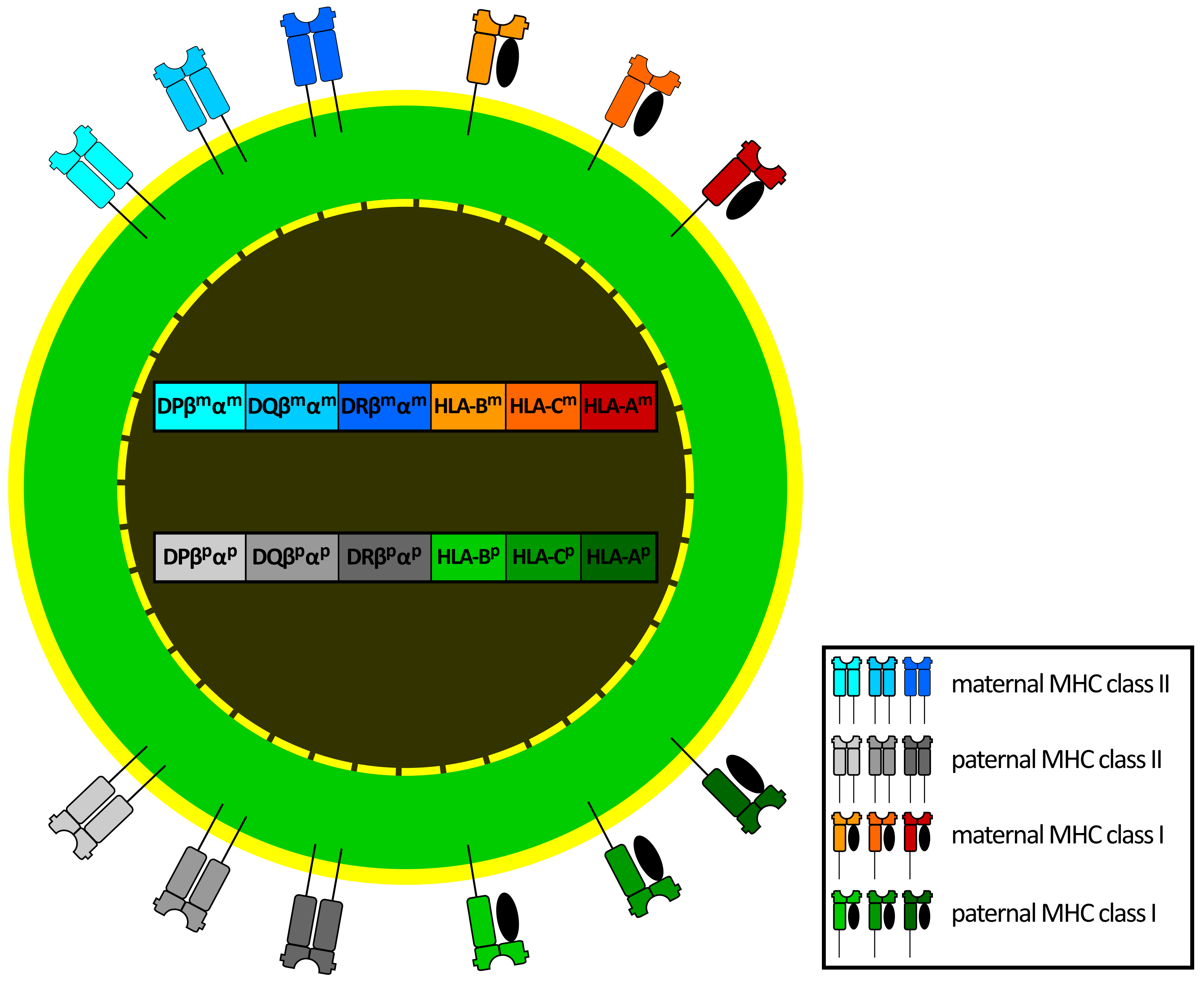
Figura 1. Espressione codominante dei geni HLA.
Le proteine MHC sono generalmente divise in tre "classi". Le proteine di classe I del MHC vengono espresse sulla maggior parte delle cellule del corpo e ci aiutano a combattere le infezioni virali. Le proteine di classe I del MHC includono quelle codificate da HLA-A, HLA-B e HLA-C. Le proteine di classe II del MHC sono espresse sulle cellule del sistema immunitario come le cellule B, le cellule T helper attivate, i macrofagi e le cellule dendritiche; queste cellule ci aiutano a combattere le infezioni batteriche producendo anticorpi. Le proteine di classe II del MHC codificano HLA-DR, HLA-DQ e HLA-DP. Ci sono anche proteine di classe III del MHC che supportano le nostre cellule immunitarie.
La struttura di ogni classe di proteine è diversa - mentre la classe II di MHC ha 2 catene (catena A e catena B), la classe I di MHC ha solo una singola grande catena, accoppiata con una macroglobulina. Pertanto, quando si nominano le proteine di classe II di MHC, talvolta viene aggiunto un componente aggiuntivo per specificare la catena.
HLA Naming & Typing
La convención de nomenclatura HLA 2010 es la que actualmente se utiliza ampliamente para nombrar las proteínas MHC y los genes HLA que las codifican. La convención identifica el gen HLA, el grupo de alelos/allotipo, la proteína específica y cualquier sustitución/mutación. Cada uno de estos campos se especifica It has been found that couples with very different HLA types and differences in their MHC genes tend to have more fulfilling relationships, what we at DNA Romance like to call “romantic chemistry”, also known as genetic compatibility.
What is genetic compatibility?
Genetic compatibility refers to the match between the genes of two individuals, particularly with respect to their potential to have children together. Certain genetic combinations are more compatible and can result in healthier offspring.
One method is to test for genetic compatibility is the presence or absence of certain genetic markers, such as HLA (human leukocyte antigen) markers, which are involved in the immune system.
Individuals with more dissimilar HLA profiles may be more genetically compatible, as this could result in a child with a more diverse immune system.
Another way to evaluate genetic compatibility is through genetic testing for inherited disorders. Couples who are considering having children may choose to undergo genetic testing to determine their risk of passing on certain inherited disorders to their offspring. This can help them make informed decisions about their fertility options and the potential risks and benefits of having children together.
It is important to note that genetic compatibility is not the only factor that determines the health and well-being of a child. Other factors, such as the overall health and lifestyle of the parents, can also have a significant impact on the health of a child.
Let DNA Romance can help you find your genetic matches today!
OTTENERE UN RAPPORTO DI COMPATIBILITÀ PER COPPIE
Fai un Test di Personalità Gratuito.