Het Meervoudig Histocompatibiliteitscomplex (MHC)
Hoe menselijke leukocytenantigenen invloed hebben op partnerkeuze
De majeure histocompatibiliteitcomplex (MHC) verwijst naar een sectie op chromosoom 6 die honderden genen bevat (figuur 1), waaronder de genen van het menselijke leukocytenantigeen (HLA). De MHC coderen voor eiwitten op het oppervlak van nucleaire cellen, waaronder witte bloedcellen (daarom de naam "menselijk leukocytenantigeen"). De MHC-eiwitten vangen buitenlandse stoffen op en presenteren deze aan uw T-cellen. De MHC is ook verantwoordelijk voor weefsel- en orgaancompatibiliteit tussen mensen, vandaar de naam "majeure histocompatibiliteit".
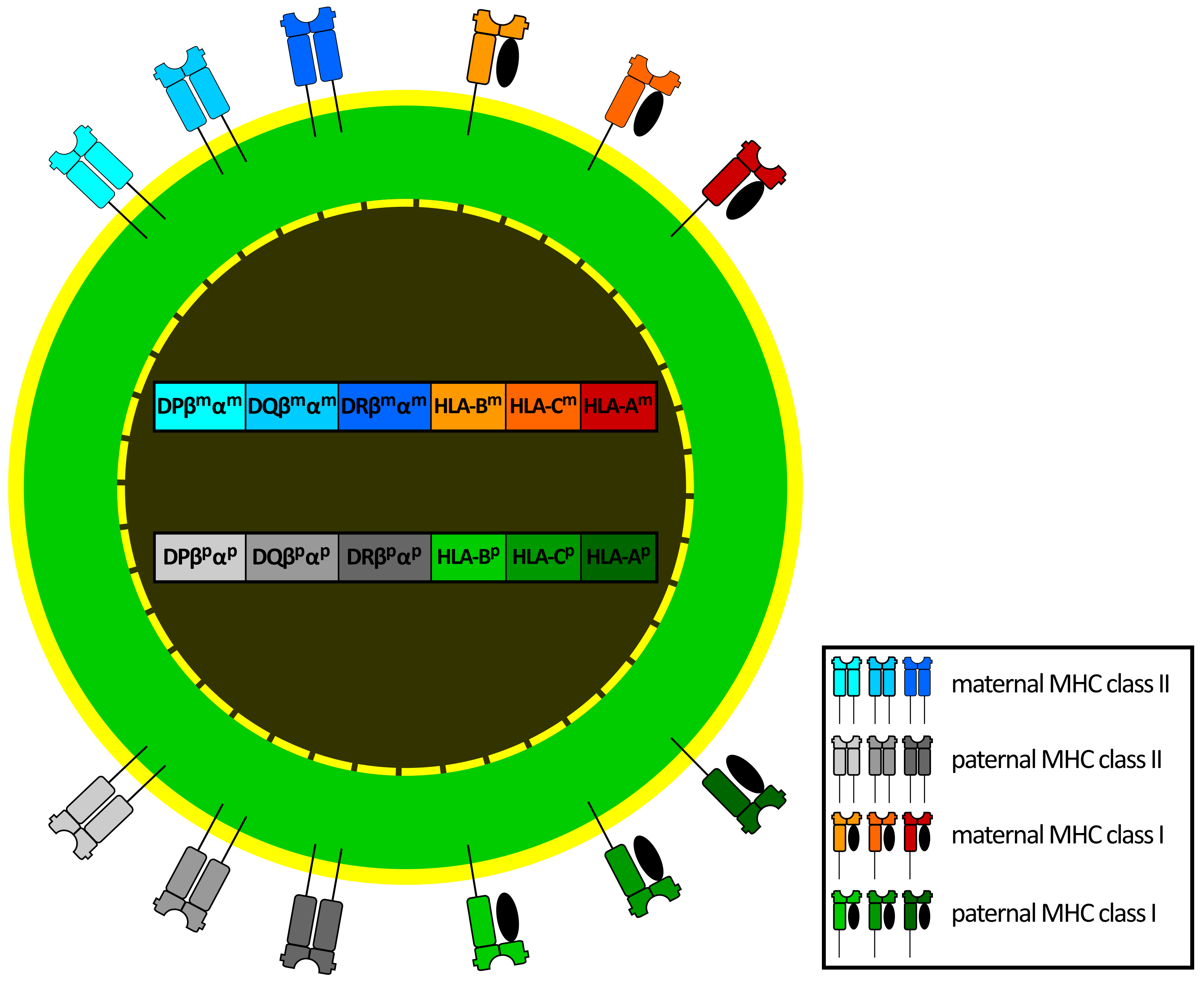
Figuur 1. Codominante expressie van HLA-genen
MHC-eiwitten worden meestal verdeeld in drie "klassen". MHC-klasse I-eiwitten worden uitgedrukt op de meeste cellen van het lichaam en helpen ons bij het bestrijden van virale infecties. De MHC-klasse I-eiwitten omvatten diegene die worden gecodeerd door HLA-A, HLA-B en HLA-C. MHC-klasse II-eiwitten worden uitgedrukt op immuuncellen zoals B-cellen, geactiveerde helper T-cellen, macrofagen en dendritische cellen; deze cellen helpen ons bij het bestrijden van bacteriële infecties door het produceren van antilichamen. De MHC-klasse II coderen HLA-DR, HLA-DQ en HLA-DP. Er zijn ook MHC-klasse III-eiwitten die onze immuuncellen ondersteunen.
De structuur van elke klasse van eiwitten is verschillend - terwijl MHC-klasse II twee ketens (A-keten en B-keten) heeft, heeft MHC-klasse I slechts één grote keten, gekoppeld aan een macroglobuline. Daarom wordt er soms een extra component toegevoegd om de keten te specificeren wanneer MHC-klasse II-eiwitten worden genoemd.
HLA Benaming & Typing
De HLA 2010 benamingconventie is de momenteel veelgebruikte methode om MHC-eiwitten en de HLA-genen die ervoor coderen te benoemen. De conventie identificeert het HLA-gen, de allelgroep/allotype, specifiek eiwit en eventuele substituties/mutaties. Elk van deze vel It has been found that couples with very different HLA types and differences in their MHC genes tend to have more fulfilling relationships, what we at DNA Romance like to call “romantic chemistry”, also known as genetic compatibility.
What is genetic compatibility?
Genetic compatibility refers to the match between the genes of two individuals, particularly with respect to their potential to have children together. Certain genetic combinations are more compatible and can result in healthier offspring.
One method is to test for genetic compatibility is the presence or absence of certain genetic markers, such as HLA (human leukocyte antigen) markers, which are involved in the immune system.
Individuals with more dissimilar HLA profiles may be more genetically compatible, as this could result in a child with a more diverse immune system.
Another way to evaluate genetic compatibility is through genetic testing for inherited disorders. Couples who are considering having children may choose to undergo genetic testing to determine their risk of passing on certain inherited disorders to their offspring. This can help them make informed decisions about their fertility options and the potential risks and benefits of having children together.
It is important to note that genetic compatibility is not the only factor that determines the health and well-being of a child. Other factors, such as the overall health and lifestyle of the parents, can also have a significant impact on the health of a child.
Let DNA Romance can help you find your genetic matches today!
KRIJG EEN KOPPELCOMPATIBILITEITSVERSLAG
Gratis Persoonlijkheidstest