O Complexo de Histocompatibilidade Múltipla (MHC)
Como os Antígenos Leucocitários Humanos Influenciam a Escolha de Parceiro?
O Complexo Maior de Histocompatibilidade (MHC) se refere à seção no Cromossomo 6 que contém centenas de genes (figura 1), incluindo os genes do antígeno leucocitário humano (HLA). O MHC codifica proteínas na superfície de células nucleadas, incluindo células brancas do sangue (daí o nome "antígeno leucocitário humano"). As proteínas MHC capturam e apresentam substâncias estranhas aos seus linfócitos T. O MHC também é responsável pela compatibilidade de tecidos e órgãos entre as pessoas, daí o nome "maior histocompatibilidade".
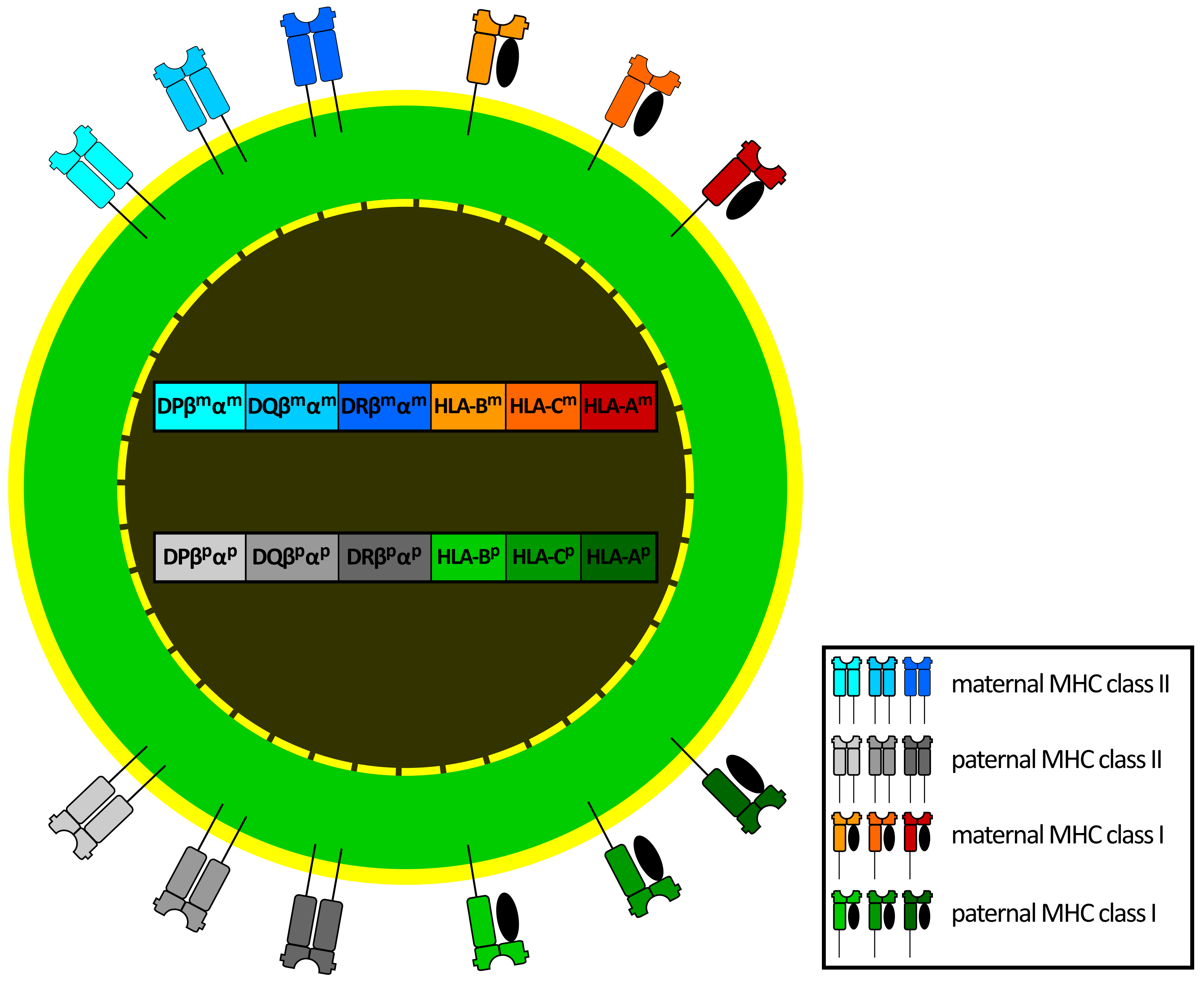
Figura 1. Expressão codominante de genes HLA
As proteínas do MHC são geralmente divididas em três classes. As proteínas do MHC classe I são expressas na maioriacélulas do corpo e nos ajudam a combater infecções virais. As proteínas do MHC classe I incluem aquelascodificado por HLA-A, HLA-B e HLA-C. As proteínas do MHC classe II são expressas emcélulas imunes, como células B, células T auxiliares ativadas, macrófagos ecélulas dendríticas; essas células nos ajudam a combater infecções bacterianas por meio deproduzindo anticorpos. O MHC classe II codifica HLA-DR, HLA-DQ e HLA-DP. Existem também proteínas MHC classe III que suportam nosso sistema imunológico células.
A estrutura de cada classe de proteínas é diferente - enquanto o MHC classe II tem 2 cadeias (cadeia A e cadeia B), o MHC classe I tem apenas uma cadeia grande, associada a uma macroglobulina. Portanto, ao nomear as proteínas do MHC classe II, às vezes é adicionado um componente adicional para especificar a cadeia.
Nomeação e Tipagem de HLA
A convenção de nomeação de HLA de 2010 é a atualmente amplamente utilizada para nomear proteínas MHC e os genes HLA que as codificam. A convenção identifica o gene HLA, grupo de alelos/allotipo, proteína específica e quaisquer substituições/mutações. Cada um desses campos é especificado usando um valor numérico, atrib It has been found that couples with very different HLA types and differences in their MHC genes tend to have more fulfilling relationships, what we at DNA Romance like to call “romantic chemistry”, also known as genetic compatibility.
What is genetic compatibility?
Genetic compatibility refers to the match between the genes of two individuals, particularly with respect to their potential to have children together. Certain genetic combinations are more compatible and can result in healthier offspring.
One method is to test for genetic compatibility is the presence or absence of certain genetic markers, such as HLA (human leukocyte antigen) markers, which are involved in the immune system.
Individuals with more dissimilar HLA profiles may be more genetically compatible, as this could result in a child with a more diverse immune system.
Another way to evaluate genetic compatibility is through genetic testing for inherited disorders. Couples who are considering having children may choose to undergo genetic testing to determine their risk of passing on certain inherited disorders to their offspring. This can help them make informed decisions about their fertility options and the potential risks and benefits of having children together.
It is important to note that genetic compatibility is not the only factor that determines the health and well-being of a child. Other factors, such as the overall health and lifestyle of the parents, can also have a significant impact on the health of a child.
Let DNA Romance can help you find your genetic matches today!
Obtenha o relatório de compatibilidade de um casal
Faça um teste de personalidade grátis