关系匹配背后的科学


DNA Romance 在线预测“化学反应”通过 DRom 1.0 algorithm. This algorithm assesses 100 specific markers within your DNA, focusing on genes proven to be involved in attraction and reproduction. Studies have shown that people with varied DNA markers in the Major Histocompatibility Complex (MHC) tend to find each other’s scent appealing and often enjoy more durable romantic relationships .

DRom 1.0 预测化学和错配亲属
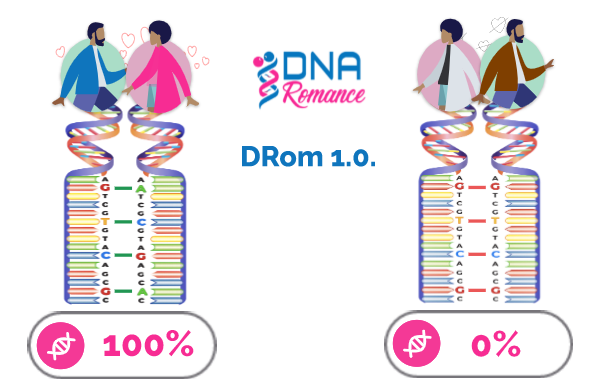
DNA Rmance DRom1.0 Predicts Chemistry


DNA浪漫也预测 性格相容性 使用来自心理测试的人格类型,允许用户评估 共同兴趣使用过滤器 和 物理吸引力 根据您的匹配者的照片。DNA Romance 的 second genetic algorithm DRom 2.0 使用经过相关 DNA 标记训练的 AI 模型来预测表型具有高精度的特征。DRom 2.0 补充了 DNA Romance 的 档案验证机制 它提供了多层检查,有助于更好地指示用户配置文件的真实性。


性格相容性评分

不同人格类型如何在人际关系中相互作用

探索我们的 人格兼容性评级 inspired by the renowned Jung/Myers-Briggs 16 personality types. Developed over a century ago by Swiss psychiatrist Dr. Carl Jung and further refined by Isabel Briggs Myers and Katherine Briggs, this psychometric test has stood the test of time. Recognized as the Myers-Briggs Type Indicator®, it's widely used in organizational psychology.
DNA Romance utilizes this personality compatibility algorithm to predict potential connections between both singles and couples. DNA Romance's algorithms strategically assigns higher compatibility scores to similar personality types, and lower scores to those that may conflict.
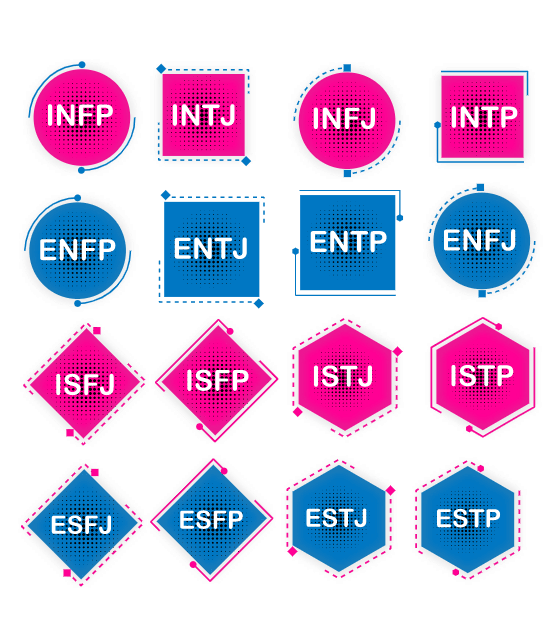
DNA Romance personality compatibility score

重点研究论文

DNA online dating site

基于 MHC 的吸引力(又名化学)和关系选择

DNA Romance 使用 DRom 1.0 算法预测“化学反应”,该算法分析了已在多个独立研究中确认影响关系选择的单核苷酸多态性(SNPs)。在这里,我们展示了为开发 DRom 1.0 而评估的几篇研究论文。.

Jokiniemi A, Turunen T, Kohonen M et al. (2025) Female-mediated selective sperm activation may remodel major histocompatibility complex-based mate choice decisions in humans Heredity 134, 321–330.

*** This study reveals a paradox: women prefer the body odours of MHC-similar men, but sperm from MHC-dissimilar men exhibit higher motility when exposed to female follicular fluid. This suggests that the most attractive males may not necessarily be the most optimal partners in terms of fertilisation success, indicating that post-copulatory selection can remodel pre-mating mate choice decisions.

Havlíček J, Winternitz J, Roberts S (2020) Major histocompatibility complex-associated odour preferences and human mate choice: near and far horizons Philosophical Transactions of the Royal Society B, 375:20190260.

*** A comprehensive meta-analysis examining MHC-based mate choice in humans. The analysis found no significant overall effect of MHC-similarity on human mate selection when combining genomic studies, relationship satisfaction measures, and odour preference experiments. The authors recommend larger, more diverse samples and greater focus on mechanisms of MHC-associated pregnancy loss.

丹丁-鲁兰德C,劳伦特R,达拉拉I,图潘斯B和夏克斯R(2019年) 人类 MHC 不相配交配的基因组证据

This study on major histocompatibility complex (MHC) and mate choice in humans suggests that while couples in Northern Europe tend to exhibit MHC-dissimilarity, potentially indicative of a biological influence on mate choice, social and/or cultural factors in other regions, like Israel, may override or obscure such biologically-driven mating preferences.

Birnbaum GE, Zholtack K, Mizrahi M & Ein-Dor T (2019) 苦药:停用口服避孕药增强了人们的吸引力另类伴侣 Evolutionary Psychological Science volume 5, pages 276–285

*** 激素避孕药会改变女性对伴侣的偏好,使其倾向于更具抚育能力的男性,但停止使用激素避孕药会使这些偏好恢复,特别是在高受精期,会增强对更具基因兼容性的男性的吸引力,可能会激发对其他伴侣的追求。

Wedekind C (2019) A predicted interaction between odour pleasantness and intensity provides evidence for major histocompatibility complex social signalling in women Proc. R. Soc. B 285:20172714.

*** 本文描述了主要组织相容性复合物(MHC)与人类气味偏好之间的联系,辩论了以往的发现,并分析了腋下刮毛和其他因素如何影响身体气味的感知及其与MHC的联系,重新分析过去的数据表明,气味的芳香度和强度可以与MHC的不相似性相互作用,从而通过气味影响社会信号传递,暗示MHC、气味感知和社会交流之间存在着微妙的关系。

Wu K, Chen C, Moyzis RK, Nuno M, Yu Z and Greenberger E (2018) More than skin deep: Major histocompatibility complex (MHC)-based attraction among Asian American speed-daters Evolution and Human Behavior. 39(4):447-456.

*** 在速配约会的背景下,女性(但不是男性)通过SNP分析表现出对伴侣的主要组织相容性(MHC)的偏好,不同的SNP根据与主要HLA基因的接近程度有不同的吸引力,MHC基索引与自我报告的人格特征在预测双方第二次约会的机会时具有可比的影响。

Henningsson S, Hovey D, Vass K, Walum H, Sandnabba K, Santtila P, Jern P, Westberg L (2017) A missense polymorphism in the putative pheromone receptor gene VN1R1 is associated with sociosexual behavior Transl Psychiatry. 7(4):e1102.

*** 研究发现,VN1R1基因的多态性与女性的社会性行为有显著关联,尤其是与一夜情有关,这表明化学信号可能在调节人类社会互动中发挥作用,该基因与人类鼻腔嗅觉类型-1受体1(促进信息素作用的系统的一部分)有关。

Burger D、Meuwly C、Marti E、Sieme H、Oberthür M、Janda J、Meinecke-Tillmann S 和 Wedekind C(2017) 在滋养期母马(Equus caballus)中与MHC相关的偏好。

本研究调查了主要组织相容性复合体(MHC)基因和睾酮水平对雌马交配偏好的影响,发现母马在其黄体期(非生殖期)对MHC不相似的种马表现出更高的兴趣,但其他非MHC相关的雄性特征,可能如身体属性或行为线索,在其发情期(生殖期)可能会覆盖MHC的影响,背景和周期阶段在配偶选择中起着关键作用。

Sherlock JM, Sidari MJ, Harris EA, Barlow FK, Zietsch BP (2016) Testing the mate-choice hypothesis of the female orgasm: disentangling traits and behaviours Socioaffect Neurosci Psychol. 6:31562.

*** 研究表明,女性在与不同伴侣的性行为中会有不同的高潮频率,这些伴侣被认为更有幽默感、创造力、温暖、忠诚,并且更能体会伴侣的性满足感,这部分支持了女性高潮作为选择优质伴侣的机制的假设,即配偶选择假说。

Kromer J, Hummel T, Pietrowski D, Giani AS, Sauter J, Ehninger G, Schmidt AH, Croy I (2016) Influence of HLA on human partnership and sexual satisfaction Sci Rep. 6:32550.

*** 研究表明,在人类中,HLA(免疫系统的一个遗传组件)的不相似性可能通过检测与遗传兼容性相关的嗅觉线索来影响配偶选择和性满足,类似于其他动物中观察到的机制,促进后代的遗传多样性和对病原体的抗性。

Wlodarski R. and Dunbar RIM. (2015) What's in a Kiss? The Effect of Romantic Kissing on Mate Desirability Evol Psychol. 12(1): 178–199.

*** 这项研究发现,被认为的浪漫接吻能力会影响对潜在伴侣的评价,尤其是在休闲性行为情境中,对女性的吸引力会更大,而在某些交配情景中,视觉线索可以抵消接吻相关信息的影响,但有吸引力的视觉信息对男性的影响似乎更为显著,这暗示了接吻在传达伴侣质量和吸引力方面与其他线索一起扮演多面向的角色。

Burger D、Dolivo G、Marti E、Sieme H和Wedekind C(2015) 雌性大型主要组织相容性复合体类型会影响马(Equus caballus)的睾丸素水平和精子数量。

这项研究考察了主要组织相容性复合体(MHC)如何影响马的雄性生殖策略。研究发现,当雄马暴露在MHC类型不同的母马身上时,它们的睾丸激素水平会更高,每次射精的精子数量也会比暴露在MHC类型相似的母马身上的雄马更多,这表明MHC相关的信号确实可以影响雄性睾丸激素的产生和精液特性,从而影响生殖策略。

Christakis NA and Fowler JH (2014) 友谊与自然选择 PNAS. 11:10796–10801.

*** 研究表明,人类倾向于与在整个基因组上具有相似基因型(类似四代表亲)的人结成友谊,而且在朋友之间,某些基因型呈正相关(同性偏好),而另一些则呈负相关(异性偏好),其中某些基因集与嗅觉和免疫系统有关,提出朋友可能充当“功能亲属”,并暗示同性偏好的基因型可能提供协同的适应优势,这些优势可能影响了近代人类的进化。

Laurent R and Chaix R (2012) MHC-dependent mate choice in humans: Why genomic patterns from the HapMap European American dataset support the hypothesis BioEssays. 34(4):267-71.

*** This study supports the hypothesis that humans tend to choose mates with different MHC (Major Histocompatibility Complex) genes than their own, which may promote genetic diversity and immune system strength in offspring.

Lie HC, Simmons LH and Rhodes G (2010) Genetic dissimilarity, genetic diversity, and mate preferences in humans Evolution and Human Behavior 31:8–58.

*** 本研究探讨了遗传因素,特别是主要组织相容性复合体(MHC),对人类伴侣偏好的影响,发现男性在短期和长期交配环境中倾向于偏好MHC不相似的女性,而遗传多样性影响男性和女性在不同交配环境中的伴侣偏好,从而支持MHC在人类伴侣选择中的重要作用,并暗示这些偏好可能有助于增强后代的遗传多样性。

Lie HC, Rhodes G and Simmons LH (2010) Is genetic diversity associated with mating success in humans? Animal Behaviour. 79, 4:903-909

*** 这项研究表明,在人类中,尤其是女性,遗传多样性,特别是在主要组织相容性复合体(MHC)内,与更高的交配成功率相关,这一成功率通过性伴侣的数量来衡量,支持了遗传因素可能与免疫系统功能相关的概念在人的交配成功中发挥作用,而在男性中未发现显著关联。

Chaix R, Cao C, and Donnelly P (2008) Is Mate Choice in Humans MHC-Dependent? PLOS Genetics, 4 (9)

*** 研究表明,尽管欧洲裔美国人群可能更倾向于选择MHC不相似的伴侣,以促进后代免疫系统的多样性,但在所研究的非洲人群中并未发现这种模式,这表明MHC对伴侣选择的影响可能是依赖于情境的,并可能受到各种因素的影响。

Schwensow N, Fietz J, Dausmann K, Sommer S (2008) MHC-associated mating strategies and the importance of overall genetic diversity in an obligate pair-living primate Evol Ecol. (22) 617-636

*** 这项研究探讨了脂尾矮狐猴的配偶选择,发现雌性更倾向于选择具有更大MHC基因多样性和较低MHC重叠的雄性作为社会父亲和遗传父亲,而整体遗传杂合性和亲缘关系对配偶选择没有显著影响;额外配对交配可能发生以减轻遗传不兼容性,突显了“良好基因作为杂合性”和“异配交配”假说在灵长类动物交配策略中的复杂相互作用。

Wedekind C (2007) The Major Histocompatibility Complex and Perfumers' Descriptions of Human Body Odors Evolutionary Psychology.5(2): 330-343

*** 这个实验揭示了主要组织相容性复合体(MHC)与人类体味的语言描述之间的联系,表明专业香水师在某种程度上能够表达与MHC相关的体味成分,强调了MHC对人类嗅觉感知的影响,以及在选择伴侣时的潜在作用,因为MHC在免疫系统功能中扮演着关键角色,并且之前已经注意到它对体味和伴侣选择的影响。

Garver-Apgar CE, Gangestad SW, Thornill R, Miller RD and Olp JJ (2006) Major histocompatibility complex alleles, sexual responsivity, and unfaithfulness in romantic couples Psychol Sci, 17(10): 830-835.

*** In the context of romantic couples, the study finds that as the proportion of shared Major Histocompatibility Complex (MHC) alleles increases, women's sexual responsivity to their partners decreases, while their number of extra-pair sexual partners and attraction to men other than their primary partners, especially during their fertile phase, increases, suggesting that MHC-dissimilarity might play a role in sexual attraction and partner selection, potentially driven by underlying genetic and reproductive strategies to enhance offspring immunocompetence by maintaining genetic diversity.

Roberts CE, Gosling LM, Carter V and Petrie M (2006) MHC-correlated odour preferences in humans and the use of oral contraceptives Proc. R. Soc. B 275, 2715–2722

*** This study investigates how oral contraceptives influence women's preferences for certain male odours, which are known to be influenced by genes in the Major Histocompatibility Complex (MHC). Previous research has indicated that female preference for MHC-dissimilar male odour may function to increase offspring heterozygosity or minimize inbreeding. Interestingly, it has also been suggested that women using oral contraceptives tend to prefer the scent of MHC-similar males, which runs contrary to this logic. The study utilized a longitudinal design to test women before and after initiating contraceptive pill use, comparing their preferences to a control group of non-pill users. While the study didn't find a significant difference in ratings between odours of MHC-dissimilar and MHC-similar men during the follicular cycle phase in general, it did unearth that single women tended to prefer the odour of MHC-similar men, whereas women in relationships leaned towards the odour of MHC-dissimilar men. This latter finding aligns.

Wedekind C (2006) The Intensity of Human Body Odors and the MHC: Should We Expect A Link? Evolutionary Psychology. 4:85-94

*** 这项研究辨别了几个MHC(主要组织相容性复合体)基因与男性体味的强度和愉悦感之间的关系,发现至少有一个纯合子MHC抗原的男性并不会释放出明显更强烈的气味,而异合子的气味却被具有不同MHC的女性感知为显著更强。

Pause BM, Krauel K, Schrader C, Sojka B, Westphal E, Müller-Ruchholtz W, and Ferstl R. (2006) The human brain is a detector of chemosensorily transmitted HLA-class I-similarity in same- and opposite-sex relations Proc. R. Soc. B (2006) 273, 471–478 doi:10.1098/rspb.2005.3342

*** This study reveals that humans subconsciously detect and respond to body odors from individuals with similar HLA (Human Leucocyte Antigen) genetic markers, which might play a critical role in social interactions and mate selection by acting as subtle social signals within both same-sex and opposite-sex relationships.

Martins Y, Preti G, Crabtree CR, Runyan T, Vainius AA and Wysocki CJ (2005) Preference for Human Body Odors Is Influenced by Gender and Sexual Orientation Psychological Science, 16(9) 694-702

*** 这项研究表明,性取向和性别影响个体对人体气味的偏好,异性恋和同性恋的男性和女性在面对来自不同性别和性取向组合的个体的体味时,展示出明显的二选一偏好,这意味着体味可能是性伴侣和社交伴侣选择中的一个因素。

Horton R, Wilming L, Rand V, Lovering RC, Bruford EA, Khodiyar VK, Lush MJ, Povey S, Talbot CC Jr, Wright MW, Wain HM, Trowsdale J, Ziegler A, Beck S (2004) Gene map of the extended human MHC. Nat Rev Genet 5(12):889-899

*** This study characterises an integrated gene map of the extended human MHC, a pivotal region in the vertebrate genome for infection and autoimmunity due to its essential role in both adaptive and innate immunity, highlighting its significant content related to paralogy, polymorphism, immune functionality, and its association with various diseases, providing a comprehensive view stemming from the assimilation of data from several large-scale studies.

Jacob S, McClitock MK, Zelano B and Ober C (2002) Paternally inherited HLA alleles are associated with woman's choice of male odour Nature Genetics, 30:175

*** This study demonstrates that women can discern differences in male body odor influenced by a single variance in HLA (human MHC) allele, with a woman's capacity to distinguish and prefer certain odors notably being based on HLA alleles inherited from her father and not her mother; this suggests that paternally inherited HLA-associated odors influence odor preference and might function as social cues, even despite a milieu of potential odors derived from a variety of genetic and cultural factors.

Milinski M and Wedekind C (2001) Evidence for MHC-correlated perfume preference in humans Behavioural Ecology 12(2):140-149

*** 这项研究探讨了主要组织相容性复合体(MHC)基因型与人类香水偏好之间的关系。他们发现个体的MHC(具体来说是HLA-A、-B、-DR)与他们对各种个人使用香味的评分之间存在显著相关性,某些HLA类型(例如,HLA-A2)表现出一致的香味偏好。然而,在伴侣香味的偏好方面,这种相关性基本上不显著,这与假设一致,即个体选择个人使用的香水可能是为了增强或放大他们自身的免疫遗传体味,而不是为了改变伴侣的香味感知。

Wedekind C, Seebeck T, Bettens F And Paepke AJ (1995) MHC-dependent mate preferences in humans. Proc.R.Soc.Lond.B. 260:245-249.

*** 这项研究发现,人们倾向于偏好那些免疫系统基因与自己不同的潜在伴侣的体味,但对于使用避孕药的女性来说,这种偏好会发生变化。

Genetic online dating site

夫妻之间的MHC相似性被认为会对家庭规划造成问题,以下是一些描述MHC相似性与人类生殖关系的同行评审论文。.

* demonstrated increased rates of recurrent spontaneous abortion among Hutterite couples matching for HLA-DQA1 alleles

Ober., Steck., Ven., Billstrand., Messer., Kwak., Beaman., Beer (1993) MHC class II compatibility in aborted fetuses and term infants of couples with recurrent spontaneous abortion Journal of Reproductive Immunology, Volume 25, Issue 3, December 1993, Pages 195-207

* results of a 10 year study that demonstrated increased fetal loss rates among Hutterite couples matching for HLA antigens.

Ober C, Hyslop T, Elias S, Weitkamp LR, Hauck WW (1998) Human leukocyte antigen matching and fetal loss: results of a 10 year prospective study Human Reproduction, Volume 13, Issue 1, Jan 1998, Pages 33–38

* describe the relationship between HLA similarity at individual alleles, as well as HLA haplotypes as indicators for increased risk of fetal loss among Hutterite couples.

Ober C (1999) Studies of HLA, fertility and mate choice in a human isolate Hum Reprod Update 5(2):103-107.

* identified differential association of alleles in HLA-A, HLA-B, HLA-C, and HLA-DRB1 when compared with reported world RSA patients.

Shankarkumar U, Pawar A, Gaonkar P, Parasannavar D, Salvi V, and Ghosh K (2008) HLA allele associations in idiopathic recurrent spontaneous abortion patients from India J Hum Reprod Sci. 2008 Jan;1(1):19-24.

* found an increased frequency of homozygosity for HLA-E*0101 in Egyptian women with RM

Mosaad YM, Abdel-Dayem Y, El-Deek BS and El-Sherbini SM (2011) Association between HLA-E *0101 homozygosity and recurrent miscarriage in Egyptian women Scand J Immunol. 2011 Aug;74(2):205-9.

* performed a meta-analyses of 41 studies and showed that HLA-B sharing and HLA-DR sharing were both associated with the occurrence of RM.

Meuleman T, Lashley LE, Dekkers OM, van Lith J, Claas FH and Bloemenkamp KW (2015) HLA associations and HLA sharing in recurrent miscarriage: A systematic review and meta-analysis Hum Immunol. May;76(5):362-73.

* proposed a genetic-risk calculation that could predict recurrent miscarriage (RM) based on analysing HLA haplotypes from couples either with histories of successful pregnancies or RM.

Mora-Sánchez A, Aguilar-Salvador D, Nowak I (2019) Towards a gamete matching platform: using immunogenetics and artificial intelligence to predict recurrent miscarriage NPJ Digit Med Mar 7;2:12.

* found that sperm viability was associated with partners' HLA dissimilarity, indicating that cervical mucus may selectively facilitate later gamete fusion between immunogenetically compatible partners.

Jokiniemi A, Magris M, Ritari J, Kuusipalo L, Lundgren T, Partanen J and Kekäläinen J (2020) Post-copulatory genetic matchmaking: HLA-dependent effects of cervical mucus on human sperm function Proc Biol Sci., doi: 10.1098/rspb.2020.1682.

* demonstrated that HLA eplet dissimilarity positively affects sperm viability in follicular fluid, providing evidence that cryptic female choice operates at the gamete level to favour immunologically compatible partners.

Magris M, Jokiniemi A, Kuusipalo L, Ritari J, Koskela S, Partanen J and Kekäläinen J (2021) Structural dissimilarity of partners' immune genes increases sperm viability in women's reproductive tract Journal of Evolutionary Biology, 34(7):1125-1134.

* demonstrated that soluble HLA-G secreted by embryos into IVF culture medium correlates with implantation success and pregnancy rates, confirming the importance of HLA molecules in early pregnancy.

Lédée N, Petitbarat M, Chevrier L, et al. (2022) The impact of soluble HLA-G in IVF/ICSI embryo culture medium on implantation success Front Immunol. 13:982518.

* found that over 70% of couples with recurrent miscarriages or IVF failures showed high HLA-DQA1 allele similarity, supporting the role of HLA compatibility in reproductive outcomes.

Pafilis I, Michou V, Tsilivakos V, et al. (2023) Human Leukocyte Antigen Alleles Compatibility and Immunophenotypic Profile Associations in Infertile Couples Int J Mol Sci. 24(6):5350.

* found that primary infertile couples (N=609) share more HLA alleles than expected by chance, suggesting HLA similarity may contribute to unexplained infertility and IVF failure.

Kolańska K, Grześ S, Łukaszuk K, et al. (2025) Primary infertile couples share more HLA alleles than expected by chance European Journal of Obstetrics & Gynecology and Reproductive Biology.

MHC research across vertebrate species

MHC in Other Vertebrates: A Conserved Phenomenon

MHC-based mate choice is not unique to humans—it is an evolutionarily conserved mechanism found across all vertebrate species studied. Research in fish, birds, rodents, primates, and horses demonstrates that MHC genes influence partner selection, reproductive success, and offspring fitness throughout the animal kingdom. This conservation across 450 million years of vertebrate evolution underscores the fundamental biological importance of MHC compatibility in reproduction.

* Landmark study demonstrating that house mice prefer mates with dissimilar MHC genotypes. Mice detect MHC differences through urine odor cues, and MHC-disassortative mating preferences result in a 27% deficit of MHC homozygous offspring in wild populations.

Penn DJ and Potts WK (1999) The evolution of mating preferences and major histocompatibility complex genes The American Naturalist, 153(2):145-164.

* Demonstrated that female three-spined sticklebacks (Gasterosteus aculeatus) use odor-based MHC detection to select mates that will produce offspring with optimal MHC diversity, equipping them with maximal resistance to pathogens and parasites.

Milinski M, Griffiths S, Wegner KM, Reusch TBH, Haas-Assenbaum A, Boehm T (2005) Mate choice decisions of stickleback females predictably modified by MHC peptide ligands PNAS, 102(12):4414-4418.

* Found that both male and female sticklebacks with intermediate MHC class IIB diversity had the highest lifetime reproductive success, demonstrating that optimal (not maximal) MHC diversity maximizes fitness.

Kalbe M, Eizaguirre C, Dankert I, Reusch TBH, Sommerfeld RD, Wegner KM, Milinski M (2009) Lifetime reproductive success is maximized with optimal major histocompatibility complex diversity Proceedings of the Royal Society B, 276(1658):925-934.

* In the grey partridge, females preferentially paired with males having more dissimilar MHC, with lower numbers of shared amino acid variants. This supports the 'inbreeding avoidance' and 'complementary genes' hypotheses in a strictly monogamous bird species.

Løvlie H, Gillingham MAF, Worley K, Pizzari T, Richardson DS (2017) Mate choice for major histocompatibility complex complementarity in a strictly monogamous bird, the grey partridge (Perdix perdix) Frontiers in Zoology, 14:9.

* Wild-spawning Atlantic salmon that chose their own mates produced offspring with 4× lower parasite loads than artificially crossed salmon, despite similar MHC diversity—demonstrating that MHC-mediated mate choice directly increases offspring fitness.

Consuegra S, de Leaniz CG (2008) MHC-mediated mate choice increases parasite resistance in salmon Proceedings of the Royal Society B, 275(1641):1397-1403.

* Discovered that MHC peptides trigger olfactory imprinting in zebrafish during a critical developmental period, creating persistent kin recognition preferences—demonstrating a fundamental mechanism by which vertebrates learn to recognize MHC-similar individuals.

Gerlach G, Hodgins-Davis A, Avolio C, Schunter C (2013) Olfactory imprinting is triggered by MHC peptide ligands Scientific Reports, 3:2800.

* Found non-random mating based on MHC in Chinook salmon—females directed more aggression toward MHC-similar males than MHC-dissimilar males, providing behavioral evidence for active mate discrimination based on immune genes.

Neff BD, Garner SR, Heath JW, Heath DD (2008) The MHC and non-random mating in a captive population of Chinook salmon Heredity, 101:175-185.

* In a study of 191 mares, females were significantly more likely to become pregnant when exposed to MHC-dissimilar stallions (p=0.019), demonstrating "cryptic female choice" influenced by MHC social signalling in horses.

Burger D, Meuwly C, Marti E, Sieme H, Oberthür M, Janda J, Meinecke-Tillmann S, Wedekind C (2017) MHC-linked social signalling affects female fertility in horses Proceedings of the Royal Society B, 284:20161998.

* Found that stallions exposed to MHC-dissimilar mares exhibited 19.2%% higher testosterone levels and produced more sperm per ejaculate, demonstrating that MHC-linked signals directly affect male reproductive strategies.

Burger D, Dolivo G, Marti E, Sieme H, Wedekind C (2015) 雌性大型主要组织相容性复合体类型会影响马(Equus caballus)的睾丸素水平和精子数量。 Proceedings of the Royal Society B, 282:20150407.

* Meta-analysis of 58 effect sizes from 30 studies across seven primate species found a significant trend favouring MHC-diverse mates. The analysis confirms MHC-based mate preferences operate across the primate lineage.

Winternitz J, Abbate JL, Huchard E, Havlíček J, Garamszegi LZ (2017) Patterns of MHC-dependent mate selection in humans and nonhuman primates: a meta-analysis Molecular Ecology, 26(2):668-688.

* In wild grey mouse lemurs from Madagascar, found evidence for post-copulatory mate choice associated with MHC constitution—fathers had higher numbers of MHC supertypes different from mothers than randomly assigned males.

Schwensow N, Eberle M, Sommer S (2008) Compatibility counts: MHC-associated mate choice in a wild promiscuous primate Proceedings of the Royal Society B, 275(1634):555-564.

* Building on Burger's work, found that stallion semen quality depends on MHC matching to teaser mares—semen collected in the presence of MHC-dissimilar mares had higher sperm concentration and better motility.

Jeannerat E, Marti E, Berney C, Janett F, Bollwein H, Sieme H, Burger D, Wedekind C (2018) Stallion semen quality depends on major histocompatibility complex matching to teaser mare Molecular Ecology, 27(4):1025-1035.

* First evidence for MHC-based mate choice in reptiles: female Chinese alligators preferentially mate with MHC-heterozygous males that are genetically compatible, extending MHC mate choice to crocodilians.

Wang H, Shen FJ, Min MS, Wu XB, Yue BS, Yan P (2018) MHC class I diversity predicts non-random mating in Chinese alligators (Alligator sinensis) Heredity, 122:809-818.

* Found evidence for MHC-disassortative mating in the tuatara, a "living fossil" reptile—demonstrating that MHC-based mate choice has been conserved since the Triassic period (>200 million years ago).

Miller HC, Moore JA, Nelson NJ, Daugherty CH (2009) Influence of major histocompatibility complex genotype on mating success in a free-ranging reptile population Proceedings of the Royal Society B, 276(1662):1695-1704.

* In Seychelles warblers, when females' social mates were MHC-similar, they were more likely to engage in extra-pair copulations, with extra-pair males being significantly more MHC-dissimilar than social mates.

Richardson DS, Komdeur J, Burke T, von Schantz T (2005) MHC-based patterns of social and extra-pair mate choice in the Seychelles warbler Proceedings of the Royal Society B, 272(1564):759-767.

* Demonstrated that MHC-based mate choice in sticklebacks can drive ecological speciation, showing that immunogenes not only influence individual fitness but can shape evolutionary divergence between populations.

Eizaguirre C, Lenz TL, Kalbe M, Milinski M (2018) Mate choice in sticklebacks reveals that immunogenes can drive ecological speciation Behavioral Ecology, 28(4):953-961.

* Found in ring-necked pheasants that male spur length (a sexually selected ornament) was correlated with MHC genotype, demonstrating that sexual ornaments can signal genetic quality at immune genes.

von Schantz T, Wittzell H, Goransson G, Grahn M, Persson K (1996) MHC genotype and male ornamentation: genetic evidence for the Hamilton-Zuk model Proceedings of the Royal Society B, 263(1368):265-271.

* Quantitative review of MHC-based mating preferences across 50+ vertebrate species found significant effects for both MHC diversity and dissimilarity preferences, confirming MHC-mediated mate choice as a widespread vertebrate phenomenon.

Kamiya T, O'Dwyer K, Westerdahl H, Senior A, Nakagawa S (2014) A quantitative review of MHC-based mating preference: the role of diversity and dissimilarity Molecular Ecology, 23(21):5151-5163.

* Demonstrated MHC-based mate choice in sand lizards—females preferred MHC-dissimilar males, showing that reptiles can recognize both their own genotype and that of potential partners through scent cues.

Olsson M, Madsen T, Nordby J, Wapstra E, Ujvari B, Wittsell H (2003) Major histocompatibility complex and mate choice in sand lizards Proceedings of the Royal Society B, 270(Suppl 2):S254-S256.

* Found that frog tadpoles use MHC-based self-referent cues to preferentially associate with MHC-similar kin—demonstrating that MHC recognition operates in amphibians from early developmental stages.

Villinger J, Waldman B (2008) Self-referent MHC type matching in frog tadpoles Proceedings of the Royal Society B, 275(1640):1225-1230.

* Found that MHC-divergent male tiger salamanders had reduced mating success compared to males with intermediate MHC divergence—supporting the optimal MHC diversity hypothesis in amphibians.

Bos DH, Williams RN, Gopurenko D, Bulut Z, DeWoody JA (2009) Condition-dependent mate choice and a reproductive disadvantage for MHC-divergent male tiger salamanders Molecular Ecology, 18(15):3307-3315.

* Comprehensive review of MHC odor signaling mechanisms across vertebrates—synthesizes decades of research on how fish, mice, horses, and humans detect MHC differences through olfactory cues.

Milinski M (2022) A Review of Suggested Mechanisms of MHC Odor Signaling Biology, 11(8):1187.

Personality compatibility research

人格类型

Our personality compatibility rating is based on the Myers-Briggs 16 personality types. This test has a long history with the development of the first 3 components dating back almost 100 years to Dr. Carl Jung 今天,四个字母和16种人格类型群体已为大多数人所熟知。DNA Romance的人格兼容性算法,称为PC1,最大程度地重视相似的人格类型,而对那些倾向于冲突的人格类型则给予较少的权重。.

Lok C (2012) Career development: What's your type? Nature, 488: 545-547

* The article highlights the utilization of the Myers-Briggs Type Indicator and similar personality tests in assisting scientists to enhance their soft skills and navigate their careers by providing insights into their personality traits, which can inform their communication, leadership, and teamwork strategies within professional environments.

Keirsey, D (2006) Please Understand Me II (3rd ed) Promethius Nemesis Book Co., Del Mar, CA.

《请你理解我》是大卫·凯尔西和玛丽莲·贝茨的心理学书籍,它采用自我评估问卷——凯尔西性格分类器,将个体分类为16种性格类型和4种更宽泛的性格类型(工匠、守护者、理性主义者和理想主义者),为读者提供对其行为模式和基本价值观的洞察,同时简化了以前的心理学理论和类型指标,尤其是米尔斯·布里格斯类型指标。

Myers IB, McCaulley MH, Quenk NL and Hammer AL (1998) MBTI manual: A guide to the development and use of the Myers-Briggs Type Indicator Consulting Psychologists Press, Palo Alto, CA, Vol. 3.

MBTI®第三版手册是一本全面的指南,详细介绍了Myers-Briggs Type Indicator®仪器的发展、应用和解释,提供有关理论、可靠性和有效性的深入信息,并提供有关它识别的16种人格类型的见解,所有这些都是由心理类型领域的领先专家Isabel Briggs Myers、Mary H. McCaulley、Naomi L. Quenk和Allen L. Hammer撰写的。

Myers IB, McCaulley MH and Most R (1985) Manual, a guide to the development and use of the Myers-Briggs type indicator Consulting Psychologists Press.

The 1985 edition, 'Manual: A Guide to the Development and Use of the Myers-Briggs Type Indicator,' introduces and elucidates the Myers-Briggs Type Indicator (MBTI®), designed to render C. G. Jung's psychological type theory comprehensible and applicable in daily life, underlining the principle that behavioral variations, while seemingly sporadic, are consistently orderly, deriving from intrinsic differences in individuals' preferred use of perception and judgment.

Myers IB (1962) Manual, a guide to the development and use of the Myers-Briggs type indicator. Consulting Psychologists Press.

The 1962 manual for the Myers-Briggs Type Indicator provides comprehensive insights and guidelines for implementing C. Jung's theory of psychological types, asserting that behavioral variations are systematic and consistent due to basic perceptual and judgmental preferences, aiming to leverage these preferences through self-reports to ascertain individual psychological types, thereby enabling the practical application and research into their effects on reactions, motivations, values, and capabilities.

Jung CG (1923) Psychological types: or the psychology of individuation Oxford, England: Harcourt, Brace.

《心理类型》由卡尔·古斯塔夫·尤因于1923年首次出版,引入了具有开创性的心理理论类型学,提出了一个框架,试图通过系统和有序的理论来解释性格上不同而似乎随机的差异,提出人类行为的基本变化是由于个体倾向于如何利用他们的感知和判断认知功能而产生的,为随后的许多人格理论和评估奠定了基础,尤其是梅尔斯-布里格斯类型指标(MBTI)。